Compare Unsecured Loan Interest Rates UK All Credit Scores
Compare Unsecured Loan Interest Rates – Unsecured loans are a financial instrument that allows individuals to borrow funds without having to provide collateral. Unlike secured loans, which require an asset, such as a home or a car, to back the loan, unsecured loans are given based purely on the borrower’s creditworthiness. This type of loan is often more accessible for individuals who may not have substantial assets, making it a popular choice in personal finance.
The absence of collateral means that lenders must rely heavily on the borrower’s credit score and financial history when determining loan eligibility. Borrowers with a solid credit score can often secure lower interest rates, making these loans an attractive option for those who qualify. Conversely, individuals with poor credit may face higher rates or be denied altogether, which can limit their borrowing options.
Unsecured loans encompass various types of loans including personal loans, credit cards, and lines of credit. They are often sought for purposes such as consolidating debt, financing large purchases, or covering unexpected expenses. The flexibility and quick access to funds make them a preferred choice for many individuals and are normally refered to as personal loans online.
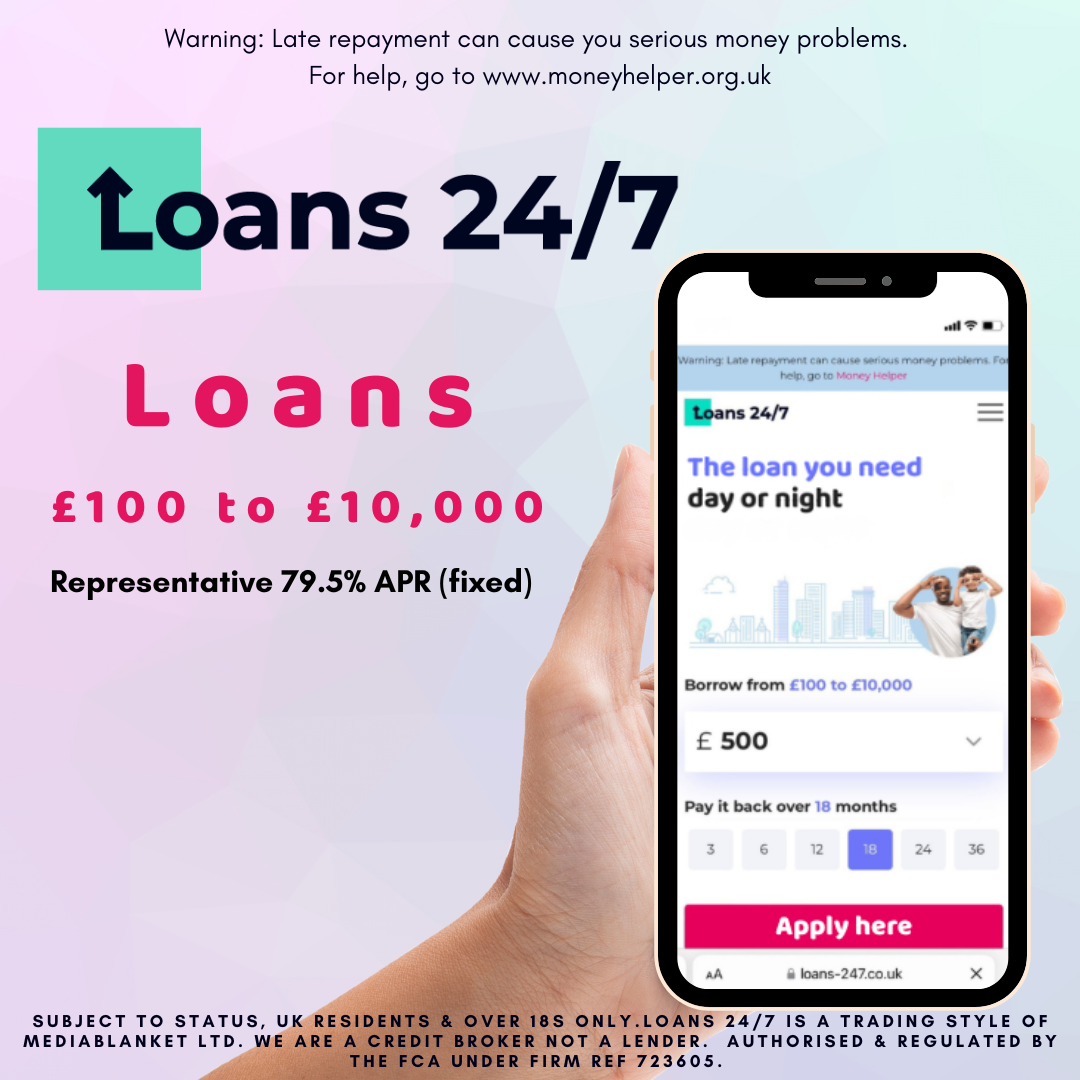
It is important to understand that while unsecured loans provide numerous advantages, they also carry certain risks. Borrowers may face higher interest rates compared to secured loans, as there is increased risk for lenders. Moreover, failure to repay an unsecured loan can severely impact one’s credit score and lead to legal repercussions. Thus, it is imperative for borrowers to evaluate their financial situations and repayment capabilities thoroughly before opting for unsecured lending solutions.
Understanding Interest Rates for Unsecured Loans
When it comes to unsecured loans, interest rates play a pivotal role in determining the overall cost of borrowing. These rates are not set in stone; instead, they are influenced by several critical factors that vary from lender to lender. One of the primary drivers of interest rates is the borrower’s credit score. A higher credit score typically signals to lenders that the borrower is more likely to repay the loan on time, thus qualifying them for lower interest rates. Conversely, individuals with lower credit scores may face higher rates as lenders perceive them as higher risk.
Another significant factor impacting the interest rate for unsecured loans is the specific policies of the lending institution. Different lenders have varying criteria for loan approval and risk assessment. This means that two borrowers with similar credit profiles might receive different interest rates from different lenders. Lender policies might also take into account the total amount of the loan, the repayment period, and even the borrower’s income stability.
Market conditions also play a notable role in shaping interest rates for unsecured loans. Economic indicators such as inflation rates, central bank policy changes, and the overall demand for credit can lead to fluctuations in interest rates. For instance, during periods of economic uncertainty, you might see lenders tightening their credit standards and raising interest rates as a protective measure against potential defaults.
Understanding these dynamics is crucial for borrowers seeking unsecured loans. By comparing different lenders and being aware of the factors influencing interest rates, individuals can make informed decisions that align with their financial goals.
Comparing Interest Rates Between Lenders
When considering an unsecured loan, it is crucial to compare interest rates across multiple lenders. Different lenders may offer varying rates, which can significantly impact the overall cost of borrowing, making it essential for borrowers to conduct thorough research. Interest rates are influenced by several factors, including the lender’s assessment of an individual’s creditworthiness, market conditions, and the type of loan being offered. Consequently, taking the time to compare offers can lead to substantial savings.
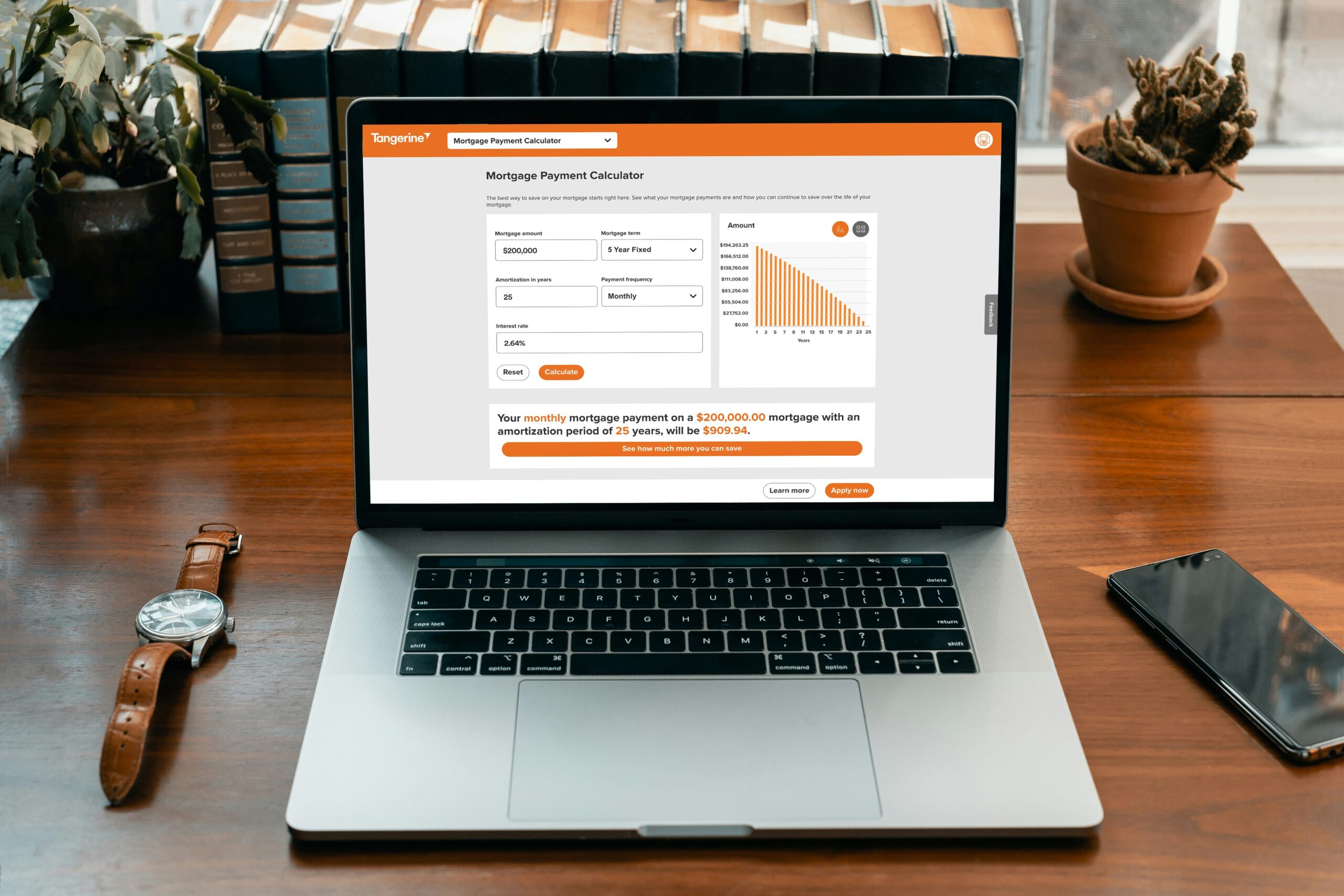
One critical metric to consider when comparing interest rates is the Annual Percentage Rate (APR). The APR incorporates not only the interest rate but also additional costs associated with the loan, such as origination fees and other charges. This comprehensive measure provides borrowers with a clearer picture of the total cost of borrowing over the life of the loan. Therefore, it is advisable to look beyond the basic interest rate and focus on the APR to make well-informed financial decisions.
Related Posts:




Additionally, some lenders may advertise low-interest rates, but the fees associated with these loans can cause the overall costs to skyrocket. Therefore, when assessing various lenders, borrowers should make a detailed comparison that includes all fees and expenses. This approach helps in accurately determining which loan option is genuinely the most affordable.
In summary, comparing interest rates from different lenders is an essential step for anyone considering an unsecured loan. By closely examining the APR and any additional fees, borrowers can make a more informed choice, ultimately enhancing their chances of finding a loan that best meets their financial needs.
Varieties of Personal Loans
Personal loans come in various forms, each tailored to meet different financial needs and preferences. Understanding these varieties is essential in making an informed decision, especially concerning interest rates and repayment options.
One common type is the fixed-rate personal loan. With this type, the borrower secures a loan at a specific interest rate that does not change over the term of the loan. This stability allows borrowers to budget effectively, as the monthly payments remain predictable. Fixed-rate personal loans are particularly advantageous during periods of rising interest rates, as borrowers lock in lower rates.
In contrast, a variable-rate personal loan is tied to an underlying benchmark interest rate, such as the LIBOR or the prime rate. This means the interest rates can fluctuate over time, resulting in changing monthly payments. While these loans may start with lower interest rates compared to fixed-rate options, there is a risk that rates will increase, leading to higher costs in the long run. Borrowers should weigh their willingness to accept potential variability against their financial stability.
Another emerging option is the peer-to-peer (P2P) loan. In this arrangement, individuals borrow money directly from other individuals, bypassing traditional financial institutions. The interest rates on P2P loans are typically set based on the borrower’s creditworthiness, appealing to those who may not qualify for conventional loans. However, this type of loan can come with higher interest rates, reflecting the risk taken by individual lenders.
Each personal loan type carries distinct characteristics that can significantly impact interest rates and repayment structures. Therefore, borrowers should thoroughly evaluate these varieties to select the option that aligns best with their financial circumstances and goals.
Personal Loan Repayment Options Explained
When it comes to managing personal loans, borrowers are typically presented with several repayment options. These methods cater to different financial situations and preferences, each with its distinct advantages and disadvantages.
The most common repayment plan is the standard monthly payments option. This method involves paying a fixed amount every month over the life of the loan. This structure provides predictability in budgeting, as borrowers know exactly how much to allocate toward their loan each month. However, while it offers stability, this approach may stretch out the repayment period, leading to a higher total interest paid if the interest rate is not favorable.
In contrast, bi-weekly payments can significantly benefit borrowers by allowing them to make payments every two weeks instead of once a month. By doing this, borrowers make one extra payment each year, which can help reduce the principal balance faster and, consequently, the overall interest accrued. Nevertheless, those choosing this option must ensure they can consistently make these more frequent payments without affecting their cash flow.
Lump-sum payments are another viable option, typically used when borrowers come into unexpected financial windfalls, such as bonuses or tax refunds. This method allows for a substantial principal reduction in a single transaction, which can greatly decrease the remaining balance and total interest owed. However, this option is not practical for everyone, as it requires having the available funds and may not be a sustainable strategy for regular borrowers.
In summary, selecting the right personal loan repayment option depends on individual circumstances and financial goals. By understanding the benefits and disadvantages of standard monthly payments, bi-weekly payments, and lump-sum payments, borrowers can make informed decisions that align with their financial situation and repayment capacity.
Impact of Loan Terms on Interest Rates and Repayment
The term length of a personal loan significantly influences both interest rates and monthly repayments. Generally, borrowers face a choice between short-term and long-term loans, each presenting distinct financial implications. Shorter loan terms often come with higher monthly payments but lower total interest payments over the life of the loan. This is largely attributable to the accelerated repayment schedule, which allows lenders to recoup their money more quickly, thereby reducing the risk associated with lending.
In contrast, longer loan terms result in lower monthly payments, which can make immediate budgeting more manageable for many borrowers. However, it is crucial to consider that extending the repayment period can lead to higher overall interest costs. Due to the prolonged duration of the loan, interest accrues over a more extended period, resulting in a considerable financial burden at maturity.
Borrowers should weigh these trade-offs carefully. Opting for a shorter term may appeal to those with the capacity to handle higher monthly outgoings, ultimately leading to lower total interest costs. On the other hand, choosing a longer term can provide immediate financial relief and enhance cash flow, although it may result in paying significantly more in the long run.
Additionally, it is essential to account for personal financial circumstances when deciding on loan terms. Factors such as income stability, spending habits, and future financial goals can all influence the decision-making process. In essence, understanding the impact of loan terms on interest rates and repayment structures allows borrowers to make informed choices that best align with their long-term financial strategy.
Understanding Additional Costs Associated with Unsecured Loans
Unsecured loans, while providing borrowers with funds without collateral, often come with additional costs that can significantly influence the overall loan terms. These extra charges include origination fees, late payment fees, and prepayment penalties, all of which are crucial factors to consider when assessing different loan options.
Origination fees are typically assessed by lenders to cover the costs of processing the loan application. This fee, expressed as a percentage of the loan amount, can range from 1% to 6% depending on the lender and the borrower’s credit profile. For example, if you secure a $10,000 unsecured loan with a 3% origination fee, you would incur an immediate cost of $300, reducing the total amount disbursed to you. As such, this fee must be factored into the effective interest rate of the loan.
Late payment fees are another potential expense that borrowers should be aware of. If you fail to make a payment on time, lenders may impose a fee, which varies in amount based on the lender’s policies. Some lenders might charge a flat fee, while others may deduct a percentage of the overdue payment. Regularly missing payment deadlines not only incurs these fees but also negatively impacts your credit score, which can further influence your borrowing capacity and interest rates in the future.
Prepayment penalties can also play a significant role when considering unsecured loans. These penalties are imposed when a borrower pays off their loan early, which can be disheartening for borrowers looking to save on interest costs. Depending on the loan agreement, these fees can range from a percentage of the remaining balance to a specific dollar amount. Hence, understanding the implications of prepayment penalties can assist borrowers in making informed decisions when comparing loan options.
Importance of Credit Score in Loan Applications
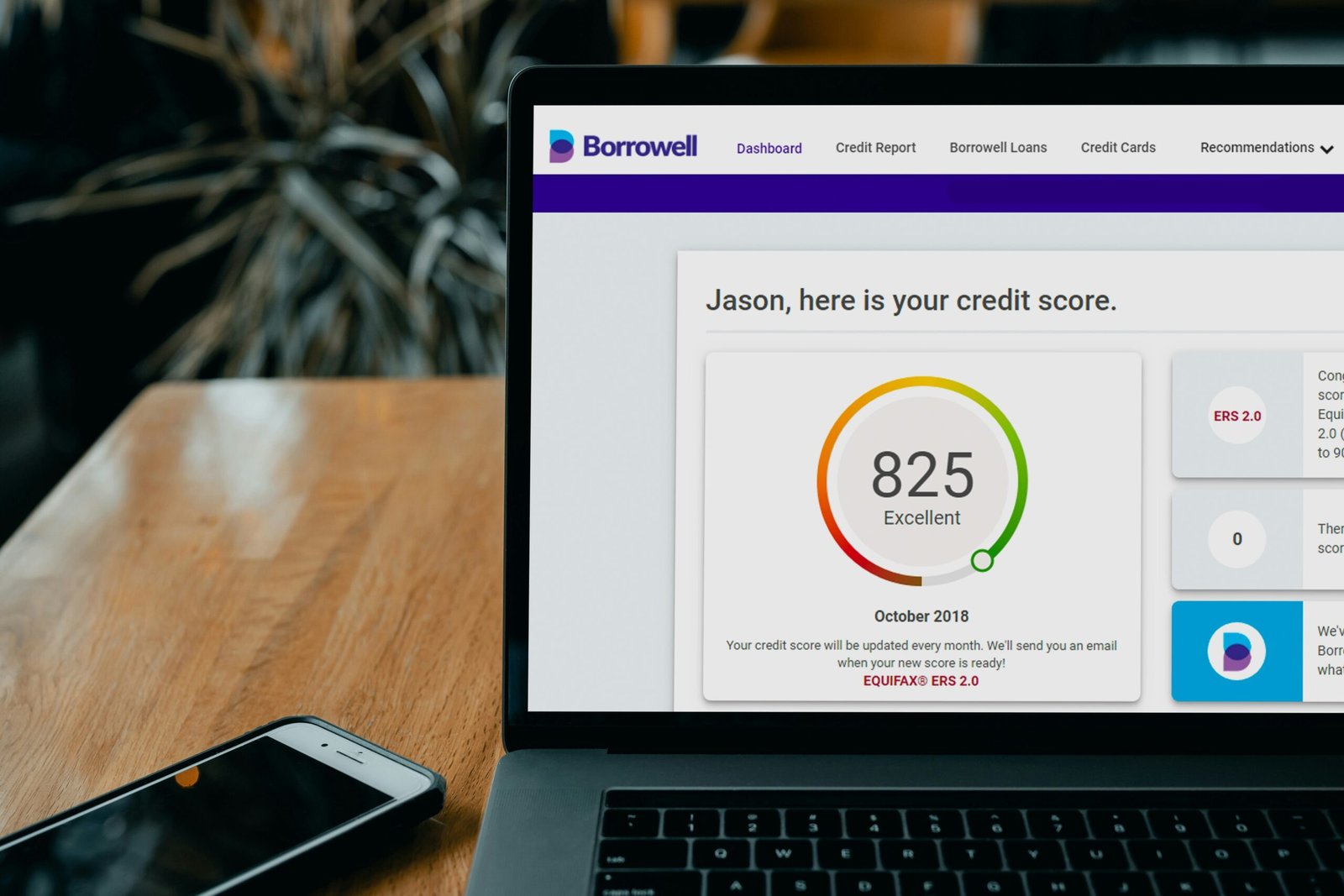
In the landscape of unsecured loans, the credit score serves as a cornerstone for lenders in assessing a borrower’s financial reliability. A robust credit score reflects a history of responsible borrowing and timely repayments, signaling to lenders that the applicant is a low-risk candidate for loans. Conversely, a poor credit score often results in higher interest rates and, in some cases, outright denial of the loan application. Understanding this relationship is crucial for individuals seeking competitive rates on personal loans.
Lenders typically categorize credit scores into ranges: excellent (above 780), good (700-779), fair (580-699), and poor (below 580). A higher credit score generally translates to more favorable loan terms, including reduced interest rates, which can lead to significant savings over the life of the loan. Thus, for those considering applying for an unsecured loan, maintaining a healthy credit score is of paramount importance.
Improving one’s credit score takes time and deliberate action. Individuals looking to enhance their scores before applying for a loan should consider several strategies. Firstly, ensure timely payment of all bills, as accounts in good standing positively influence the credit score. Secondly, individuals should review their credit reports for errors and dispute any inaccuracies, as these can adversely affect the score. Furthermore, reducing credit card balances and maintaining low credit utilization ratios are effective ways to bolster credit scores. Lastly, avoiding the opening of new credit accounts prior to applying for a loan can prevent unnecessary dips in credit score due to hard inquiries.
Unsecured Loans No Guarantor Bad Credit
Conclusion: Making Informed Financial Decisions
When navigating the world of borrowing, understanding the nuances of unsecured loan interest rates and personal loan repayment options is paramount. The ability to compare interest rates across different lenders allows borrowers to identify the most favorable terms for their financial needs. It is essential to recognize that even slight variations in interest rates can lead to significant differences in total repayment amounts over the life of a loan.
Additionally, thoroughly evaluating repayment options is crucial. Knowledge of the various types of personal loan repayment schedules—whether they offer fixed or variable rates, and the impact of payment frequency on overall cost—can empower borrowers to choose a plan that aligns with their financial capabilities. A clear comprehension of the repayment structure can often alleviate potential stress associated with managing debt.
Moreover, borrowers should assess their individual financial situation before making any lending decisions. Factors such as credit score, income stability, and existing liabilities play a significant role in determining both eligibility and the terms available from lenders. It is advisable to undertake a self-assessment or consult a financial advisor if necessary, to ensure that one makes a well-informed choice.
Overall, being proactive in understanding and comparing loan products will enable prospective borrowers to navigate financial choices more effectively. By weighing the benefits of varying interest rates against their personal repayment options, individuals can optimize their loan experience, ultimately contributing to better financial health and stability over time.
Compare Unsecured Loan Interest Rates