Low Rate Car Finance
Low rate car finance refers to auto loan arrangements characterized by relatively low interest rates compared to traditional financing options. This type of financing appeals…

Low rate car finance refers to auto loan arrangements characterized by relatively low interest rates compared to traditional financing options. This type of financing appeals…
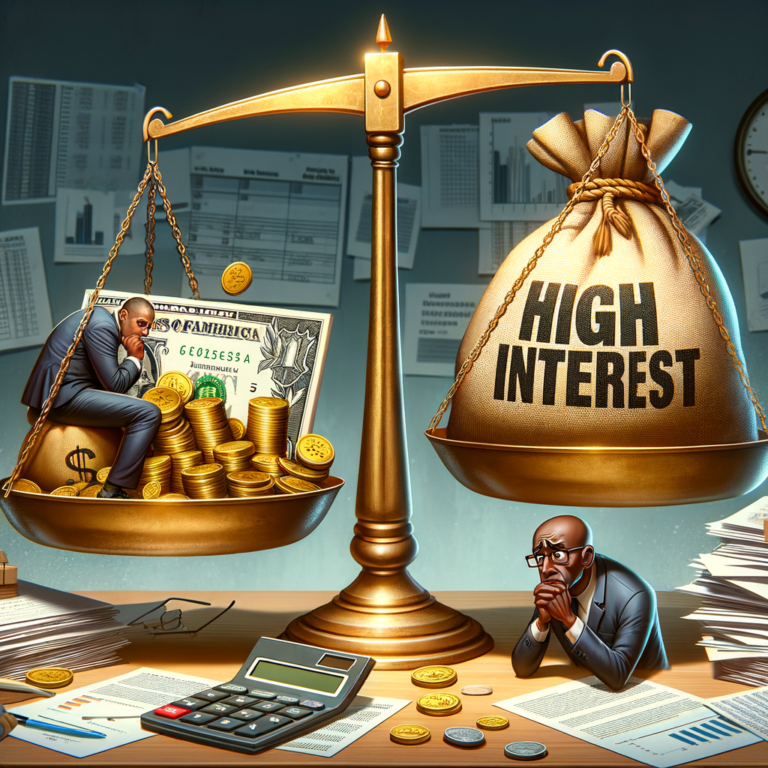
Borrowing money in a financial emergency can feel overwhelming, especially when options are limited. High interest payday loans offer quick cash but come with significant…
Interest Rates Increase – The Bank of England base rate is at the lowest it has ever been for years, so how come interest rates…
Would you opt for a guarantor loan fixed rate or adjustable rate? The former is always a better proposition. Let us explore the reasons why….
Fixed Rate Guarantor Loans – any loan, from a traditional financial institution like a bank or a private lender who is not regulated by the…

Where to find the cheapest personal loans rates when personal loans aren’t very cheap. That is the reality. However, it is a good idea to…

How to Find the Best Personal Loan Rates – credit rates are determined by the lenders in accordance with the regulations governing those institutions. Banks…

Best Loan Rates to find the keenest of what the market has to offer right now when you are considering taking out a new loan….

Best Loan Rates for 5000 – there are numerous instances when you may have to borrow five thousand cash or less and you are looking…
Personal Loan Interest Rates become very important when you are searching for a new personal loan. There are many personal loan interest rates calculators online…
Are you looking for the best rate loans? The interest rate you get on a loan depends on a number of factors. It does of…
Interest rates represent the cost of borrowing money or the return on savings, reflecting the price at which one can access funds. This concept is fundamental to the financial system, influencing everything from personal loans to larger economic policies. When an individual takes out a loan, the lender charges an interest rate as compensation for the risk of lending their money. Conversely, when saving, individuals earn interest, which is a reward for allowing a bank or financial institution to use their funds.
Historically, interest rates have varied significantly. They are shaped by numerous factors, including inflation, central bank policies, and the overall economic environment. Central banks, such as the U.S. Federal Reserve, play a critical role in determining prevailing interest rates by setting benchmark rates and implementing monetary policy to either stimulate or cool down the economy. For instance, lowering interest rates can encourage borrowing and spending, while increasing rates may help curb inflation.
Interest rates are often expressed in terms of Annual Percentage Rate (APR), which includes not just the base interest charged but also any additional costs associated with the loan, allowing borrowers to have a clearer understanding of the total cost over time. Different types of loans, including mortgages, car finance, and personal loans, all utilize interest rates, typically varying based on the type of lending, the borrower’s creditworthiness, and prevailing economic conditions. Understanding how interest rates operate, therefore, is crucial for making informed financial decisions throughout one’s life.
Interest rates can significantly influence financial decisions, and understanding their types is essential. The primary categories are fixed, variable, and hybrid interest rates. A fixed interest rate remains constant throughout the term of the loan, which provides predictability for borrowers. This stability can be advantageous in a fluctuating market, as individuals can budget their payments without concern for sudden increases. However, if market rates decline, borrowers with fixed rates miss out on potential savings.
On the other hand, variable or adjustable interest rates fluctuate based on market conditions, typically linked to an index. These interest rates often start lower than fixed rates, making them attractive initially. Yet, as market rates rise, borrowers may face increased payments, which can lead to financial strain. For example, an individual refinancing a mortgage at a lower variable rate could experience significant savings in the early years; however, if the rate increases, their financial planning could quickly become unmanageable.
Hybrid interest rates combine features of both fixed and variable rates. These rates typically offer a fixed rate for an initial period before transitioning into a variable rate. This can provide borrowers with the best of both worlds, allowing initial cost predictability followed by the opportunity for reduced payments if market rates are favorable. However, the transition period requires careful consideration, as unexpected rate hikes can affect long-term affordability.
The choice of interest rate type profoundly impacts daily financial decisions, especially regarding credit card debt, car financing, and mortgages. Borrowers should carefully evaluate potential scenarios and how interest rates in various financial products can affect their overall financial health, ensuring they choose the option best suited to their situation and market conditions.
When it comes to financing a vehicle, interest rates play a crucial role in determining the overall cost of the loan. Interest rates for car loans can vary significantly based on several factors, including credit scores, loan terms, and prevailing market trends. Understanding how these various elements influence your financing options is essential for securing the best possible deal.
Your credit score is one of the primary determinants of the interest rate you can expect on a car loan. Lenders generally offer lower rates to borrowers with higher credit scores as they are perceived to be less risky. Conversely, individuals with poor credit ratings may face significantly higher interest rates, sometimes exceeding 20 percent. It is advisable to check your credit report and address any inaccuracies before seeking financing, as even a small improvement in your score can lead to more favorable terms.
The length of the loan term also impacts the interest rates offered. Typically, shorter loan terms, such as 36 months, might come with lower interest rates compared to longer terms, like 72 months. However, opting for a longer-term loan might reduce monthly payments, making it more manageable in the short term but increasing the total interest paid over the life of the loan.
Market trends and economic conditions can further affect interest rates. During times of economic growth, interest rates tend to rise, while a weakened economy can result in lower rates. Keeping an eye on economic indicators can assist you in timing your purchase to secure the most favorable interest rate.
When seeking financing, it’s essential to shop around. Dealership financing options often come with promotional rates, but these may not always be the best choice. It’s wise to compare these offers with those from banks or credit unions to ensure optimal terms. Negotiation can also play a key role; do not hesitate to discuss rates or ask for lower terms, as lenders may be willing to work with you to close a sale.
Mortgage interest rates play a pivotal role in determining the overall cost of a home loan. These rates are influenced by various economic indicators, such as inflation, employment rates, and the monetary policy set forth by central banks. When the economy is strong, interest rates generally rise as the demand for loans increases. Conversely, in times of economic uncertainty, these rates tend to decrease to encourage borrowing and stimulate growth. Understanding these dynamics is crucial for prospective homebuyers, as timing the market can significantly affect the total interest paid over the life of a mortgage.
When seeking a mortgage, it is vital to compare various products available in the market. Two common types of mortgages are fixed-rate and adjustable-rate options. Fixed-rate mortgages offer stability as the interest rate remains unchanged throughout the life of the loan, allowing borrowers to plan their monthly payments with certainty. On the other hand, adjustable-rate mortgages (ARMs) initially have lower interest rates that can fluctuate over time, often leading to lower initial payments. However, borrowers should be cautious as rates can increase, potentially leading to higher financial commitments in the future.
To secure the best mortgage interest rates, potential buyers should consider strategies such as improving their credit scores. A higher credit score typically translates to lower interest rates, saving borrowers significant amounts in interest payments. Additionally, providing a substantial down payment can also affect the interest rate offered, as lenders view it as a sign of commitment and reduced risk. Lastly, monitoring market trends and understanding when to lock in a rate can further benefit homebuyers. By being proactive and informed, individuals can navigate mortgage options effectively and ultimately find attractive interest rates that align with their financial goals.
We use cookies to improve your experience on our site. By using our site, you consent to cookies.
Manage your cookie preferences below:
Essential cookies enable basic functions and are necessary for the proper function of the website.
Statistics cookies collect information anonymously. This information helps us understand how visitors use our website.
Google Analytics is a powerful tool that tracks and analyzes website traffic for informed marketing decisions.
Service URL: policies.google.com (opens in a new window)
You can find more information about our Cookie Policy and Privacy Policy.