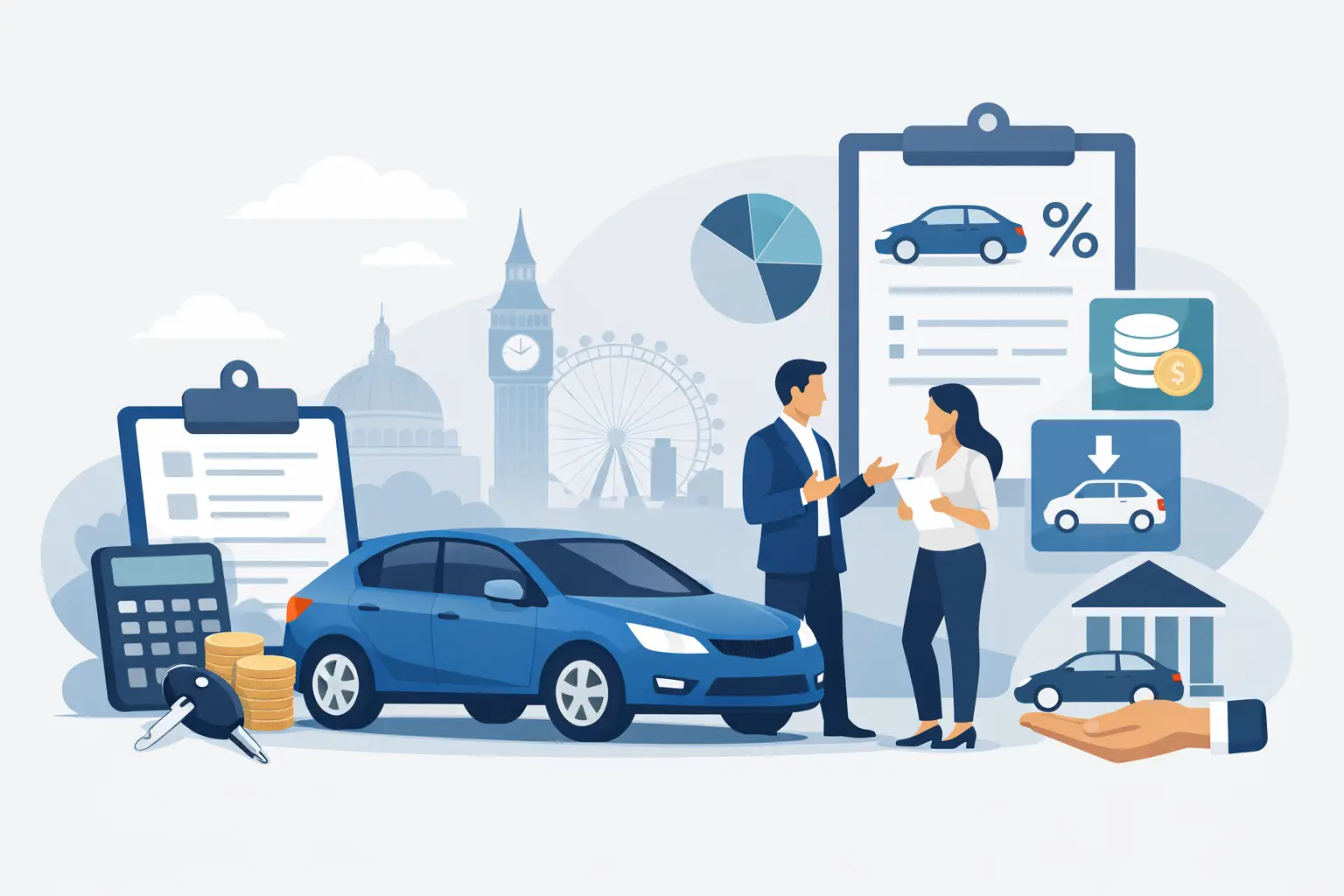
Car Finance Explained for UK Drivers
Needing a car quickly can turn a simple purchase into a stressful one. If you are comparing deals and feeling buried in jargon, this guide to car finance explained in plain English is here to make it easier. Whether your credit history is spotless, patchy or still quite new, the right deal depends on your budget, the car you want and how much flexibility you need.
Car finance explained: what it actually means
Car finance is simply a way to spread the cost of a vehicle rather than paying the full amount upfront. You usually pay a deposit, then make fixed monthly payments over an agreed term. Depending on the type of agreement, you may own the car at the end, return it, or choose whether to keep it by making a final payment.
That sounds straightforward, but the details matter. The total amount you repay can be much higher than the car’s cash price once interest and fees are included. A lower monthly payment can also mean a longer term or a large final payment later on, so the cheapest-looking deal is not always the most affordable overall.
The main types of car finance in the UK
The most common options are hire purchase, personal contract purchase and personal loans. Each works slightly differently, and each suits a different kind of borrower.
Hire purchase
With hire purchase, often called HP, you pay a deposit and then monthly instalments over a fixed period. The finance company owns the car until the agreement ends. Once you make the final payment, and usually a small option to purchase fee, the car becomes yours.
Related Posts:




HP tends to suit people who want a simple route to ownership and do not want mileage limits. Monthly payments are often higher than PCP because you are paying off more of the car’s value during the agreement.
Personal contract purchase
PCP is popular because monthly payments are often lower. That is because you are not usually paying off the full value of the car over the term. Instead, there is often a larger optional final payment at the end, sometimes called a balloon payment, if you want to keep the car.
At the end of a PCP deal, you normally have three choices. You can pay the final amount and keep the car, hand it back, or use any positive equity towards another vehicle. PCP can work well if you like changing cars regularly, but it is less attractive if you drive high mileage or want a straightforward path to ownership.
Personal loan
A personal loan lets you borrow money to buy the car outright from the start. That means you own the vehicle immediately, not the lender or dealer. You then repay the loan separately in monthly instalments.
This can give you more freedom because there are no vehicle return conditions tied to the finance agreement. But approval depends on your credit profile and income, and rates can vary a lot. For some borrowers, especially those with poor credit, dealer finance may be easier to access than an unsecured loan.
Leasing
Leasing is closer to long-term renting than buying. You make monthly payments to use the car for an agreed period and then return it. You do not own it at the end.
Leasing can appeal if you want a newer car with predictable monthly costs, but it is not ideal if your goal is ownership. You also need to watch mileage and condition rules.
What lenders look at before approving you
Most lenders do not just look at your credit score and make a snap decision. They usually consider your income, regular outgoings, address history, employment and overall affordability. Some also look at the size of your deposit and the car itself.
If you have bad credit, missed payments or a limited borrowing history, that does not always mean an automatic no. It may mean fewer options, a higher APR or a smaller choice of lenders. This is where a credit broker can help by checking a wider panel rather than relying on one provider’s criteria.
Lenders want to see that the repayments are realistic. So even if you are approved for more than you expected, borrowing less can often be the smarter move.
Deposits, monthly payments and APR
A bigger deposit usually lowers the amount you need to borrow, which can reduce your monthly payments and the total interest paid. Not everyone has a large deposit ready, though, and some deals are available with low or even no deposit. That can help you get moving faster, but it normally means paying more over time.
APR is one of the most important numbers to check. It shows the yearly cost of borrowing, including interest and certain charges, and helps you compare deals more fairly. If one deal has a low monthly payment but a high APR and a long term, it may cost far more overall than a slightly higher monthly option.
This is where people often get caught out. They focus on what they can manage this month, which is understandable, but do not check the total repayable amount. Both numbers matter.
Car finance explained for bad credit applicants
If your credit history is less than perfect, you are far from alone. Many UK drivers apply for finance after missed payments, defaults, CCJs or periods of relying on short-term credit. The key point is that bad credit does not always shut the door. It can narrow your choices, but there may still be lenders willing to consider your application.
You may be asked for a larger deposit, offered a higher interest rate or steered towards older, lower-value cars. That can feel frustrating, but it can also be a practical stepping stone. A manageable agreement that you can keep up with is usually better than stretching for a car that pushes your finances too hard.
If you are applying with poor credit, keep the application details accurate and your budget realistic. Multiple failed applications in a short period can make things harder, so it helps to look for providers or brokers that work with a range of lenders and understand different credit backgrounds. Quick and Friendly Loans is built around that kind of straightforward matching approach, with speed and clarity at the centre.
The extra costs people forget about
The finance payment is only part of the story. Running a car comes with insurance, fuel, road tax, servicing, MOT costs and repairs. If you buy from a dealership, there may also be admin fees or add-ons such as extended warranties and paint protection.
Those extras can turn an affordable-looking car into an expensive commitment. Before saying yes, look at the full monthly picture. A slightly cheaper vehicle with lower insurance and maintenance costs may leave you in a much stronger position than a car that stretches your budget from day one.
How to choose the right finance deal
Start with the monthly amount you can comfortably afford, then work backwards. Not the absolute maximum you might scrape together, but a figure that still leaves room for fuel, food, bills and the unexpected. If one surprise expense would cause you to miss a payment, the deal is probably too tight.
Then think about what you want at the end of the agreement. If ownership matters, HP or a personal loan may fit better. If lower monthly payments matter more and you are happy to change cars every few years, PCP could be worth a look.
It also helps to compare the total repayable amount, the APR, the term, any mileage limits and any final payment. Those details show you what the agreement really costs, not just what it looks like in the advert.
Common mistakes to avoid
One mistake is choosing based on the car before checking affordability. Another is ignoring the terms around mileage, wear and tear or early settlement. People also get caught by focusing only on the monthly repayment and not reading the agreement carefully.
There is nothing wrong with wanting a quick decision. In fact, many borrowers need one. But quick should still mean clear. If a deal is hard to understand, ask questions until it makes sense.
A simple way to think about it
The best car finance deal is not the one with the flashiest advert or the lowest headline payment. It is the one that fits your life without piling on pressure. If the numbers are clear, the repayments are realistic and you understand exactly what happens at the end, you are already making a better decision than most.
A car can make work, family life and everyday errands much easier. The finance behind it should do the same – simple, transparent and manageable from the start.