Loans for Unexpected Bills: What to Know
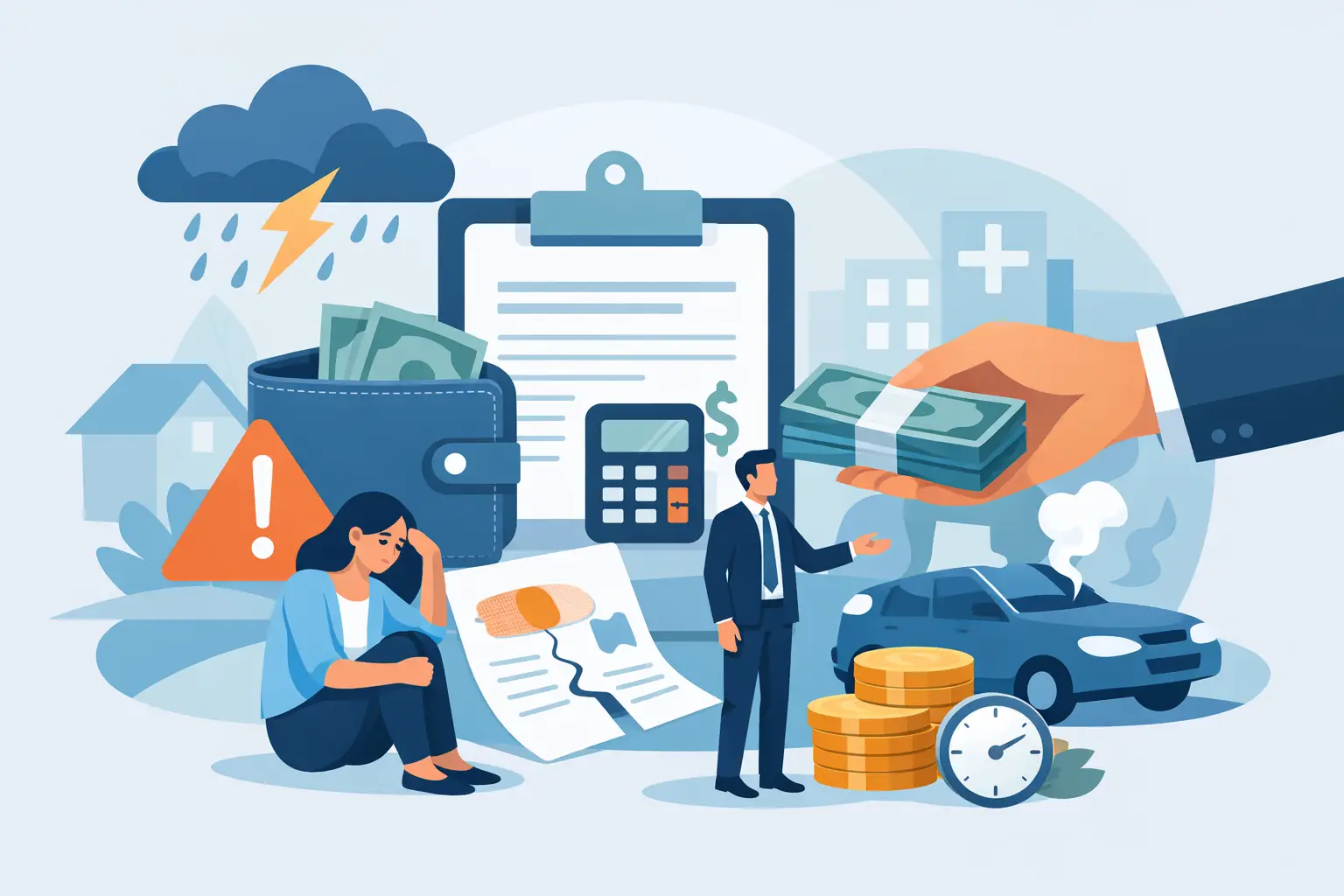
A boiler never seems to break on payday. It goes in the middle of winter, the car needs a repair to get you to work, or the energy bill lands higher than expected. When money is tight, loans for unexpected bills can feel like the fastest way to steady things and move on.
The key is not just finding money quickly. It is finding a borrowing option that fits the size of the problem, your budget next month, and your credit profile today. A fast loan can help in the right situation, but the wrong one can turn one urgent bill into a longer headache.
When loans for unexpected bills make sense
Short-term borrowing can be useful when the bill is urgent, the cost cannot be delayed, and you know how you will repay it. Common examples include emergency car repairs, missed utility payments, essential home fixes, unexpected travel for family reasons, or replacing a broken appliance you rely on every day.
What matters most is whether the borrowing solves a real short-term gap rather than covering a wider money problem. If you are a few days or weeks away from wages, benefits or another reliable payment, a small loan may be practical. If your budget is already stretched every month, borrowing may only buy time.
That is why lenders and brokers will usually look at affordability, not just your credit score. Even if you have bad credit, limited credit history or have been declined elsewhere, there may still be options available if the repayments look manageable.
The main types of loans for unexpected bills
Not every emergency cost needs the same type of finance. A £200 water bill and a £5,000 car repair are very different situations.
Recommended Reading


Small short-term loans
These are often used for urgent bills that need covering before your next payday or within a short period. They can be quick to apply for online and may suit smaller amounts, but the repayment period is shorter, so monthly or single-instalment costs can feel high. They are usually best for one-off essentials rather than ongoing spending.
Instalment loans
If the bill is larger, spreading the cost over several months or longer can make repayments more manageable. Instalment loans may suit people who need more breathing space, especially if paying everything back at once would strain the budget. The trade-off is that you may pay more overall across a longer term.
Bad credit loans
These are designed for borrowers who have missed payments in the past, have defaults on file or do not have a strong borrowing record. Approval is not guaranteed, but some lenders look beyond a perfect score and focus on current affordability. Rates can be higher, so it is worth checking the full repayable amount, not just the monthly figure.
Guarantor or secured borrowing
For larger sums, some borrowers consider a guarantor loan or a secured option linked to a vehicle or property. These can improve approval chances or lower monthly costs, but the risk is higher. If you put up security or involve someone else in the agreement, the consequences of missed payments become more serious.
What lenders look at before approving you
If you need money quickly, it is easy to focus only on approval speed. But lenders are trying to answer a simple question: can this applicant afford to repay the loan without falling behind?
They may review your income, regular bills, employment status, banking activity and recent borrowing. Some also look at your credit history, but not all lenders use exactly the same criteria. One may decline an application that another is happy to consider.
This is why a credit broker can be useful for some applicants. Rather than applying lender by lender and risking multiple rejections, your details can be matched with lenders that may be more suitable for your circumstances. For people with poor or thin credit files, that can save time and reduce stress.
Fast approval matters, but so does the full cost
When the bill is due now, speed matters. Many online lenders offer quick forms, fast decisions and same-day payout potential. That can be a genuine help if the problem cannot wait.
Still, urgency should not push you into skipping the important checks. Before you accept any offer, look at the interest rate, total repayable amount, repayment dates, late payment charges and whether the monthly amount works with your current outgoings.
A loan that arrives in minutes but leaves you short on rent, food or travel next month is not really a fix. The best borrowing option is the one that solves the bill without creating another one.
How to choose the right loan for an urgent bill
Start with the amount you actually need. It can be tempting to borrow extra for a cushion, but borrowing more means paying more back. If the bill is £350, try not to turn it into £700 unless there is a clear reason.
Next, think about repayment length. A shorter term may mean less interest overall, but higher repayments. A longer term can reduce monthly pressure, though the total cost may rise. There is no one perfect answer here – it depends on your income, other commitments and how stable your budget is over the next few months.
Then check whether early repayment is allowed and whether there are any charges attached. If you expect your finances to improve soon, flexibility matters.
Finally, only use a service that is clear about costs and works with FCA-authorised lenders. If anything feels vague, rushed or harder to understand than it should be, step back.
Can you get approved with bad credit?
Yes, it is possible, but it depends on the lender and your current circumstances. A low credit score does not automatically mean no. Many UK borrowers searching for help with unexpected bills have missed payments before, have defaults, are new to credit, or have been turned away by high street banks.
What can still help is steady income, a realistic loan amount, and evidence that the repayment fits your budget now. If your recent bank activity shows constant overdraft use, gambling transactions or repeated missed payments, approval can be harder. If your account shows income landing regularly and bills mostly being managed, some lenders may still consider you.
Being realistic matters. Applying for a modest amount that matches the bill is often more sensible than applying for the maximum and hoping for the best.
What to have ready before you apply
A quick application is easier when you already know your basic numbers. You will usually need your address history, employment or income details, bank information and a clear idea of your monthly outgoings.
Accuracy helps. If your application says one thing and your bank statements show another, it can slow the process or lead to a decline. It is also worth checking that the bill is genuinely urgent and unavoidable. Borrowing for essentials is one thing. Borrowing because the budget has become blurred is another.
For borrowers who want a simple route, Quick and Friendly Loans is built around that need for speed and clarity, helping connect applicants with lenders who may suit a wide range of credit backgrounds.
Alternatives worth checking first
Borrowing is not always the only answer, even when time is tight. Some utility providers, local authorities, employers and service companies may offer payment plans, hardship support or short extensions. If the bill is medical, housing-related or linked to council tax, there may be support routes that cost less than credit.
That said, not every provider will wait, and not every expense can be split. If the repair or payment is urgent and a delay will cost more, a loan may still be the practical option.
A calm decision is still possible under pressure
Unexpected bills make people rush. That is normal. But even when the pressure is real, you still have time to ask three simple questions: how much do I need, how quickly can I repay it, and what will this cost me in total?
If the answers are clear and the repayments are affordable, borrowing can be a useful short-term solution. If they are not, pause before you commit. The right loan should relieve pressure, not quietly add more of it.