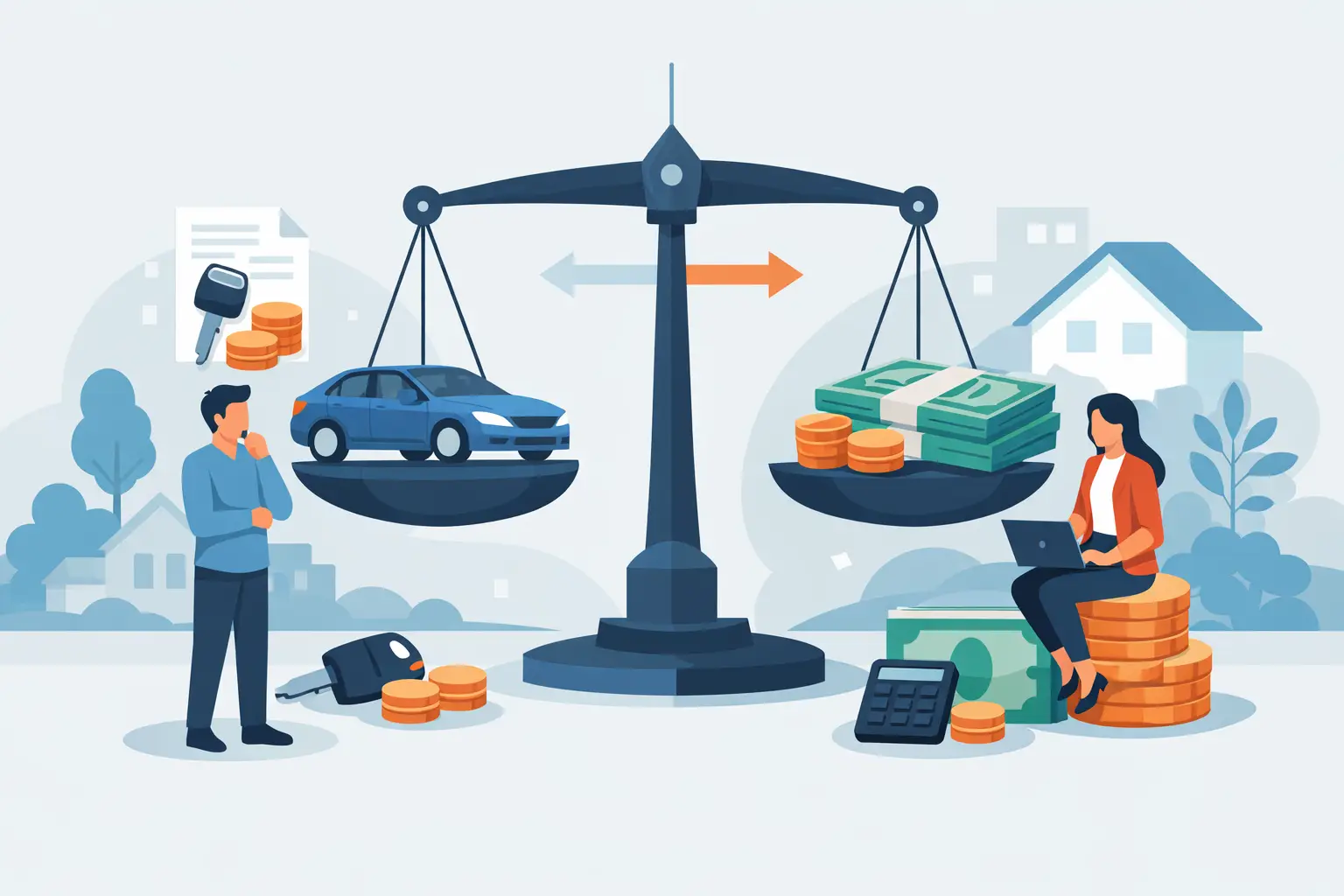
Car Finance vs Personal Loan: Which Wins?
Need a car quickly, but not sure how to pay for it? That is where car finance vs personal loan becomes a real decision, not just a Google search. The right option can save you money, protect your flexibility and make the whole process feel far less stressful.
If you are buying your first car, replacing a run-around or trying to spread the cost of something more reliable, the choice usually comes down to one thing: do you borrow specifically for the car, or take out a personal loan and buy it outright? Both can work. The best one depends on your credit profile, your budget, how fast you need the money and how much control you want over the vehicle.
Car finance vs personal loan: the basic difference
Car finance is borrowing arranged specifically for a vehicle. In many cases, the lender pays the dealer or seller, and you repay the balance over time. Depending on the agreement, the finance may be secured against the car, which means the lender can take it back if you miss payments.
A personal loan is different. You borrow a set amount of money and then use it to buy the car yourself. Once you have paid the seller, the car is yours from day one, assuming there is no other finance attached to it.
That sounds simple enough, but the small details matter. With car finance, your options are often tied to the vehicle, the dealer and the lender’s rules. With a personal loan, you usually get more freedom over where you buy from and what you buy, but approval can depend more heavily on your overall creditworthiness.
Related Posts:




When car finance makes more sense
Car finance often suits people who want a straightforward route to getting on the road without paying the full cost upfront. It can be especially useful if you are buying from a dealer and want everything arranged in one place.
One of the main advantages is access. Some borrowers who might struggle to get an unsecured personal loan can still be considered for car finance, because the vehicle itself reduces the lender’s risk. That does not guarantee acceptance, but it can widen your options.
Monthly costs can also look more manageable, particularly if you choose a product structured around lower regular repayments. That can help if cash flow is tight and you need to keep your outgoings under control.
There is a trade-off, though. Because the finance is linked to the car, you may not fully own it until the agreement ends. That can limit what you do with the vehicle. Selling it, modifying it or changing plans early may be more complicated than you expect.
When a personal loan is the better option
A personal loan tends to appeal to buyers who want flexibility and a cleaner purchase. If you borrow the money and buy the car outright, you can often negotiate like a cash buyer, shop around more freely and avoid being tied into dealer-arranged finance.
That flexibility matters if you are buying privately rather than through a dealership. Some car finance products are geared mainly towards dealer sales, while a personal loan lets you use the funds where they are needed, provided the lender approves the amount.
Ownership is another big plus. Because you have bought the car outright, it belongs to you immediately. There is no finance company with an interest in the vehicle, which can make life simpler if you later want to sell it.
The catch is that personal loans are not always easy to get on the best rates, especially if your credit is limited or damaged. If the APR is high, the total cost can quickly outweigh the convenience.
What usually costs less?
This is where people often expect a simple answer, but it depends.
A personal loan can be cheaper if you have a strong credit history and qualify for a competitive rate. In that situation, borrowing a fixed amount and repaying it over a sensible term may cost less overall than some car finance deals.
Car finance can be better value if the dealer is offering a competitive package, or if your credit profile means unsecured borrowing would be expensive. It is not unusual for someone with patchy credit to find that specialist car finance is more realistic than a low-rate personal loan.
You also need to look beyond the monthly payment. Lower monthly costs can be attractive, but if the term is long or there are extra charges, the total repayable may be much higher. Always compare the full amount you will repay, not just what leaves your bank each month.
Credit score and approval chances
If your credit file is less than perfect, car finance may feel more accessible. Because the borrowing is linked to the vehicle, some lenders are more open to applications from people with defaults, missed payments or a thin credit history.
That said, personal loans are not off the table for everyone with bad credit. Some lenders do consider applicants with lower scores, but the rates may be higher and the loan amounts more limited.
This is why it helps to think about affordability as much as eligibility. A loan you can technically get is not always the right loan to take. If repayments would stretch your budget every month, the pressure can outweigh the benefit of getting the car now.
For many UK borrowers, especially those who need quick answers and do not want a long back-and-forth with high street banks, using a broker to check suitable options can save time. Quick and Friendly Loans, for example, focuses on matching customers with lenders in a fast and simple way, which can be useful if you want to explore what may be available without unnecessary hassle.
Speed matters when you need a car fast
If your car has failed, your commute depends on replacing it and you need an answer quickly, speed becomes part of the decision.
Dealer-arranged car finance can be fast because the car and the borrowing are handled together. In the right circumstances, you may be approved and driving away sooner than if you had to arrange separate funds first.
A personal loan can also be quick, especially with online applications and fast lender decisions, but timing varies. If the money needs to reach your account before you can complete the purchase, that extra step can slow things down.
So if urgency is your top priority, car finance can have the edge. If control and shopping power matter more, a personal loan may still be worth the extra planning.
Buying from a dealer or a private seller
This is one of the clearest practical differences.
If you are buying from a main dealer or used car dealer, both options may be available. You can compare the dealer’s finance offer against the cost of borrowing separately.
If you are buying privately, a personal loan is often the simpler route. It gives you freedom to pay the seller directly and avoids the restrictions that come with finance tied to approved dealers or specific vehicles.
Private sales can sometimes offer better value, but they also require more care. You will need to carry out proper checks on the car’s history, condition and ownership before handing over any money.
The hidden issue: flexibility if life changes
A lot of people focus on getting approved and keeping the monthly payment low. Fair enough. But it is worth thinking ahead.
If your circumstances change, a personal loan can be easier to deal with because the car is already yours. You may be able to sell it and use the proceeds as you choose. With car finance, ending the agreement early or changing vehicles may involve settlement figures, fees or restrictions.
That does not mean car finance is a bad choice. It just means flexibility has a value. If your job, travel needs or household budget could change over the next couple of years, that freedom may matter more than you think.
So, which is better?
If you want the simplest route through a dealership, have limited savings and may find unsecured borrowing harder to access, car finance could be the more realistic option. It is often built for convenience and can work well when getting the vehicle quickly is the priority.
If you want full ownership from day one, more freedom over where you buy and potentially lower overall costs with a good credit profile, a personal loan may be the stronger choice.
The smartest move is to compare the real numbers, not just the headline promises. Look at the APR, the total repayable, the monthly cost, who owns the car during the term and what happens if you want to clear the balance early.
A car should make life easier, not leave you feeling trapped by the repayments. Take the option that fits your budget comfortably, gives you the level of flexibility you need and still feels manageable a few months down the line.