
Can I Get a Loan With Arrears?
Falling behind on bills can make borrowing feel out of reach, especially if you need money quickly. If you’re asking, can I get a loan with arrears, the short answer is yes – sometimes. It depends on what kind of arrears you have, how recent they are, how much you owe, and whether a lender believes you can afford new repayments on top of what you already owe.
That might not be the clear yes you were hoping for, but it is better than an automatic no. Many UK lenders look beyond a simple credit score. Some will consider applicants with missed payments, defaults, CCJs or current arrears, particularly if the issue was temporary and your income now looks stable.
Can I get a loan with arrears if my credit is poor?
Yes, it is possible, but approval is never guaranteed. Arrears tell a lender that one or more of your existing credit or household accounts has fallen behind. That raises risk, so some banks will decline straight away. Specialist lenders are often more flexible, especially for smaller loan amounts or short-term borrowing, but they will still check affordability carefully.
The key thing to understand is that arrears do not all carry the same weight. Being one month behind on a mobile phone bill is very different from several missed mortgage payments. Lenders look at the full picture, not just the word arrears on your file.
If your arrears are older, now settled, or linked to a one-off financial wobble, your chances may be better than you think. If they are recent and still unpaid, borrowing can be harder and more expensive.
What lenders look at before approving a loan with arrears
Most lenders want to answer one basic question – can you realistically afford this loan now?
Recommended Reading
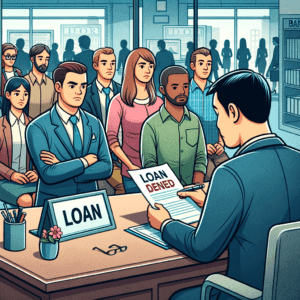


They usually assess your income, regular spending, current debts, repayment history and overall credit profile. Some lenders also check bank transaction data to see how you manage money day to day. If your wages are paid regularly and your outgoings leave enough room for repayments, that can help. If your account is already under pressure, it can hurt your chances.
They may also look at the type of arrears. Rent arrears, council tax arrears, utility arrears, credit card arrears and mortgage arrears are not always treated the same way. Priority arrears such as rent, mortgage and council tax can be a bigger warning sign because they suggest financial pressure in essential areas.
Loan size matters too. A lender may be more willing to consider a small amount over a shorter term than a larger unsecured loan over several years. That is why matching the loan to your actual need matters. Borrowing more than necessary rarely helps approval.
Recent arrears vs older arrears
Recent arrears usually cause more concern because they suggest the problem is ongoing. Older arrears, especially if they have been cleared and followed by steadier payments, may have less impact.
Lenders often ask themselves whether your finances are improving or getting worse. If your arrears happened six months ago when you changed jobs, but your income is now stable and your recent payments are on time, that tells a different story from someone who missed payments again last month.
Open arrears vs satisfied arrears
Open arrears means the money is still overdue. Satisfied arrears means you caught up or cleared the balance. Satisfied arrears can still affect a credit file, but they are usually easier to explain and easier for a lender to accept.
This is why being honest on an application matters. If a lender can see that the arrears exist anyway, trying to gloss over them does not help.
Which loans might still be available?
If you have arrears, the options available to you will depend on your circumstances. Some borrowers may qualify for bad credit loans, small personal loans or short-term lending. Homeowners may have more options because some lenders are more flexible where security is involved, although that also raises the stakes because your home could be at risk if you cannot keep up repayments.
Guarantor loans may also be considered in some cases, although they are not right for everyone. Asking someone else to back your borrowing is a serious step and should not be treated lightly.
For many people, the most realistic route is a smaller loan with clear repayments rather than a large amount that stretches the budget. Speed matters when money is tight, but affordability matters more.
When arrears make approval much harder
There are situations where getting approved becomes more difficult. If you have multiple current arrears, recent defaults, heavy existing borrowing, gambling transactions, frequent overdraft use, or signs that your income does not cover your essential costs, lenders may decide the loan is not affordable.
That is not always bad news. A decline can protect you from taking on debt that makes things worse. If you are already struggling with priority bills, adding another monthly repayment may increase the pressure rather than solve it.
In those cases, the smarter move may be to stabilise your finances first, catch up on essential arrears where possible, and then look at borrowing later from a stronger position.
How to improve your chances of getting a loan with arrears
If you need to apply soon, there are practical ways to make your application stronger. First, be realistic about how much you need. A lower amount can be easier to approve and easier to repay.
Second, make sure your income details are accurate and up to date. Lenders want clear evidence that money is coming in regularly. If you are employed, having steady payslips helps. If you are self-employed, recent bank statements and consistent income can make a difference.
Third, reduce avoidable spending before you apply if you can. Lenders are not just checking your headline income. They are looking at what is left after rent, food, transport and existing debt payments.
Fourth, avoid making multiple full applications in a short space of time. Too many hard searches can make you look desperate for credit. Using a broker such as Quick and Friendly Loans can help you check options with a wider panel without applying blindly to lender after lender.
Finally, if your arrears are explainable, be prepared to explain them simply. A short-term illness, reduced hours, moving home or an unexpected bill can look different from long-term unmanaged debt.
Should you borrow if you already have arrears?
Sometimes yes, sometimes no. If the loan helps you cover an urgent cost and the repayments fit your budget without causing more missed payments, it may be a sensible short-term fix. If it is mainly being used to patch over a deeper income problem, it may only delay the pressure.
The most important question is not just can I get a loan with arrears, but should I take one right now? If your rent, mortgage or council tax is behind, those usually need attention first because the consequences can escalate faster than ordinary unsecured debt.
A good lender will look at that carefully. Responsible lending is not about saying yes to everyone. It is about making sure any loan offered is manageable.
What to check before accepting an offer
If you are approved, pause for a minute before accepting. Check the total repayable amount, not just the monthly figure. Look at the APR, the term, any late payment charges, and whether the repayments line up with your pay dates.
Fast funding can be helpful, especially in an emergency, but speed should not push you into a loan you do not fully understand. Clear terms, no hidden fees and realistic repayments matter far more than a quick click.
If one offer feels too expensive, it probably is. The right loan should relieve pressure, not create a fresh problem next month.
A straightforward answer to can I get a loan with arrears
Yes, you may still be able to get a loan with arrears in the UK, even with poor credit. The outcome depends on your current affordability, the type and age of the arrears, and how much risk the lender is willing to take.
That means there is still a path forward for many borrowers, even if mainstream banks have said no. Keep the amount sensible, be honest about your situation, and focus on what you can comfortably repay. A fast decision is useful, but peace of mind comes from choosing borrowing that actually fits your life.