Secured Loan vs Mortgage: Key Differences
If you are weighing up a secured loan vs mortgage, you are probably not doing it for fun. You may need to clear expensive debt, pay for home improvements, cover a large one-off cost or find a more manageable way to borrow. The right option can save you money and stress. The wrong one can leave you paying for longer than you expected.
Both products are tied to a property, which is why they often get mentioned together. But they are not the same thing, and the differences matter more than most people realise. The best choice usually comes down to how much you need, how quickly you need it, your credit history, and how comfortable you are with the costs and risks involved.
Secured loan vs mortgage: the basic difference
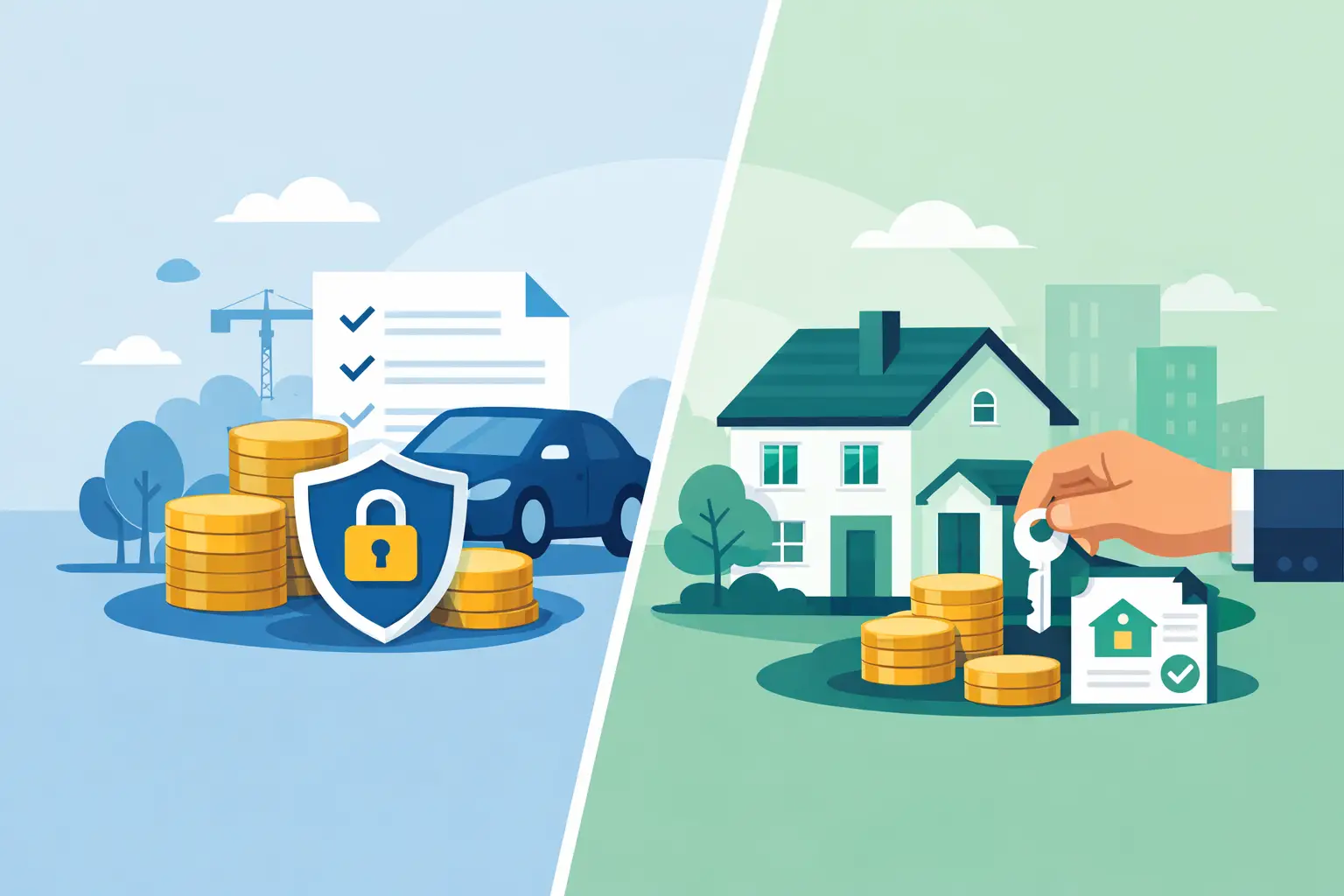
A mortgage is usually the main loan used to buy a home. It is secured against the property and is normally repaid over a long term, often 20 to 35 years. A secured loan, sometimes called a homeowner loan or second charge loan, is also secured against your property, but it sits alongside your existing mortgage rather than replacing it.
That distinction is the starting point. If you are buying a property, you would normally look at a mortgage. If you already own a home with a mortgage in place and want to borrow more without remortgaging, a secured loan may be the more relevant option.
In simple terms, a mortgage is usually your primary home loan. A secured loan is extra borrowing against the equity in your home.
Related Posts:




When a mortgage makes more sense
A mortgage is often the better fit when you are purchasing a property or replacing your current mortgage with a new deal. If your fixed rate is ending, or if interest rates have moved in your favour, remortgaging can sometimes reduce your monthly payments and let you raise extra funds at the same time.
For larger borrowing amounts, mortgages also tend to offer lower interest rates than secured loans. That is partly because they are first charge lending, which gives the mortgage lender first claim on the property if payments are not kept up. Lower lender risk can mean lower rates for borrowers who meet the criteria.
The catch is that mortgages are not always the fastest or easiest route. If your income is complex, your credit file has recent problems, or your current mortgage deal carries heavy early repayment charges, remortgaging may be less attractive than it first appears.
When a secured loan may be the better option
A secured loan can work well when you already have a competitive mortgage and do not want to disturb it. That is a common reason people choose one. If your existing mortgage rate is low, replacing the whole mortgage just to borrow extra money may cost more overall than keeping it in place and adding a second secured loan.
Speed can also matter. A secured loan application may be more straightforward in some cases, especially if the aim is to raise funds for debt consolidation, home improvements or another major expense. For homeowners with less-than-perfect credit, it can also open up options that may not be available through a mainstream remortgage.
This does not mean secured loans are automatically easier or cheaper. It means they can be more practical in the right situation.
Costs: where borrowers often get caught out
When people compare a secured loan vs mortgage, they often focus on the interest rate first. That makes sense, but rate alone does not tell the full story.
Mortgages usually have lower headline rates, especially for borrowers with strong credit and good equity. But there can be valuation fees, product fees, legal costs and early repayment charges on your current mortgage. Once those are added in, the cheaper-looking option is not always the cheaper one.
Secured loans can come with higher rates, but lower setup complexity in some cases. If taking a secured loan helps you avoid a large early repayment charge on your mortgage, the overall cost comparison may look very different.
This is where term length matters as well. A longer term can reduce monthly payments but increase the total amount repaid. Borrowing over 20 years instead of 10 can make a loan feel more affordable month to month, while costing much more in the long run.
Risk to your home
This part should never be brushed aside. Both a mortgage and a secured loan put your home at risk if you cannot keep up with repayments.
With a mortgage, that risk is already understood by most homeowners. With a secured loan, some borrowers wrongly assume it is just a larger personal loan. It is not. Because it is secured on your property, missed payments can lead to serious consequences.
That does not mean these products are bad. It means they need to be used carefully. If the borrowing solves a short-term problem but creates a long-term strain on your budget, the relief can be short-lived.
A sensible question to ask is not just, “Can I get approved?” but also, “Will this still feel manageable if my bills rise or my income dips?”
Approval and credit history
Credit score matters for both products, but it is not the whole picture. Lenders also look at your income, existing commitments, property value and available equity.
Mainstream mortgage lenders can be stricter, particularly if you have recent defaults, missed payments, payday loan usage or irregular income. Secured loan lenders may be more flexible, especially when there is enough equity in the property and the affordability checks support the loan.
That is one reason secured loans can appeal to homeowners who have been turned away elsewhere. Not every lender says yes, but more flexible criteria can create options.
If you have bad credit, the key thing is to expect trade-offs. You may be offered a smaller amount, a higher rate or a shorter choice of terms. Fast access is helpful, but it should still come with a clear look at the monthly cost.
How much can you borrow?
Mortgages are generally used for much larger sums, because they are designed around property purchase and long-term borrowing. Secured loans are usually smaller than full mortgages, though they can still be substantial depending on your equity and affordability.
For someone who needs to borrow a modest amount compared with the value of their home, a secured loan may be enough. For someone restructuring their full housing finance or borrowing at a much larger scale, a mortgage or remortgage is often more suitable.
The amount you can access depends heavily on how much equity you have built up. If your mortgage balance is already high compared with the property value, choices may be limited whichever route you take.
Speed and paperwork
If you need funds quickly, the process matters almost as much as the price. Mortgage applications can take longer, particularly if full underwriting, property checks and legal work are involved. Secured loans can sometimes move faster, although timescales vary by lender and individual circumstances.
For borrowers dealing with urgent bills or time-sensitive costs, that difference can be a deciding factor. Quick and Friendly Loans focuses on helping customers compare suitable options fast, which can be especially useful if you want a simpler route through the search process without feeling judged for your credit history.
Still, fast should not mean rushed. Even if a decision comes quickly, take a moment to check the term, total repayable amount and any fees for early settlement.
Secured loan vs mortgage for debt consolidation
This is one of the most common comparison points. Both can be used to consolidate debts, but the right answer depends on what problem you are trying to solve.
If you can remortgage at a lower rate and keep the borrowing manageable, folding existing debts into a mortgage can reduce monthly outgoings. But it may also spread short-term debts over a much longer period, which can increase the total paid back.
A secured loan may be useful if remortgaging would trigger charges, if your current mortgage rate is worth keeping, or if your credit profile makes a remortgage difficult. Again, the trade-off may be a higher rate than a mortgage, even if the application route is more realistic.
In either case, turning unsecured debt into secured borrowing is a serious step. It can ease immediate pressure, but it also means debts that were not tied to your home now are.
Which one is right for you?
If you are buying a property, a mortgage is the obvious route. If you already own a home and want extra borrowing without replacing your current mortgage, a secured loan may be worth considering. If your credit is strong and fees are low, remortgaging may offer better value. If your current mortgage deal is excellent, your credit is mixed, or you need a more flexible route, a secured loan may fit better.
The best decision usually comes from comparing the whole picture – monthly payment, total cost, speed, fees, credit criteria and the impact on your home if things go wrong. Cheap on paper is not always best in real life. And the fastest option is only helpful if it stays affordable after the money lands in your account.
If you are unsure, start with the question that matters most: do you need a new main home loan, or do you need extra borrowing on top of the mortgage you already have? Once that is clear, the next step usually becomes much easier.