Personal and Payday Loan Questions
Personal and Payday Loan Questions – Borrowing money comes with many concerns, especially when deciding between personal loans and payday loans. Understanding the differences, costs, and repayment terms can help you make informed choices.
This guide answers common personal and payday loan questions, covering eligibility, interest rates, repayment periods, and potential risks. Whether you’re considering a loan for an emergency expense or a planned purchase, knowing what to expect can prevent financial stress later.
Some loans offer flexible repayment options, while others come with high fees that add up quickly. Learning the details before borrowing ensures you choose the right option for your situation.
What Are the Key Differences Between Personal and Payday Loans?
Personal and payday loans serve different financial needs. A personal loan provides a larger sum with longer repayment terms. Lenders usually require a credit check before approval. Borrowers repay the amount in fixed monthly installments over months or years. Interest rates vary based on credit history, income, and lender policies. Some lenders offer secured options where collateral is required, while others provide unsecured loans that rely on creditworthiness alone.
A payday loan offers a smaller amount with a short repayment period. Lenders typically do not perform a detailed credit check. Approval depends more on proof of regular income than on past borrowing history. The full balance is usually due by the borrower’s next paycheck, often within two to four weeks. These loans come with higher fees compared to other borrowing options, making them costlier if not repaid on time.
Interest rates differ significantly between these two types of financing. Personal loans tend to have lower interest costs since they spread payments over an extended period. Lenders assess risk using factors like employment status and existing debts before setting terms. Payday loans carry much higher charges due to their brief repayment window and minimal eligibility requirements. If borrowers fail to pay on time, additional fees may increase the total owed quickly.
Eligibility criteria also set these options apart. Personal loan providers evaluate credit scores, employment stability, and debt-to-income ratios before granting approval. Some institutions require collateral for better terms or larger amounts borrowed. Payday lenders focus primarily on steady income rather than financial history or assets owned by applicants.
Borrowers asking personal and payday loan questions should consider how each option fits their situation before applying for either type of financing.
Common Personal and Payday Loan Questions Answered
Many people have concerns before applying for a loan. Understanding the basics can help with decision-making. Below are answers to some frequently asked personal and payday loan questions.
What Are the Main Differences Between Personal and Payday Loans?
Personal loans usually have longer repayment terms and lower interest rates. Lenders often check credit history before approval. Payday loans offer quick access to cash but must be repaid in a short period, usually by the next paycheck. These loans often come with higher fees.
How Does Credit Score Affect Loan Approval?
Lenders review credit scores to assess financial history. A high score increases approval chances for personal loans with better terms. Some payday lenders do not require credit checks, but they may charge higher fees due to increased risk.
What Are the Repayment Terms for Each Loan Type?
Personal loans typically allow monthly payments over several months or years. Interest is included in each payment until the balance is cleared. Payday loans require full repayment by the borrower’s next payday, including fees and interest charges. If unpaid, additional costs may apply, making repayment more expensive over time.
Can Borrowers Get a Loan With Bad Credit?
Some lenders offer personal loans to those with poor credit, but these often come with higher interest rates or stricter conditions. Payday lenders generally approve applications without checking credit scores; however, borrowing costs tend to be much higher compared to traditional options.
What Happens if a Payment Is Missed?
Missing a personal loan payment may lead to late fees and negative marks on a credit report, affecting future borrowing opportunities. For payday loans, missed payments can result in additional charges or collection actions from lenders seeking repayment.
Understanding these factors helps borrowers make informed choices when considering different lending options.
How Do Interest Rates and Fees Affect Your Loan?
Borrowing money comes with costs that go beyond the amount you receive. Lenders charge interest and fees, which can increase the total repayment amount. Understanding how these charges impact your loan helps you make better financial decisions.
Interest rates determine how much extra you pay over time. A higher rate means paying more in total, while a lower one reduces costs. Fixed rates stay the same throughout the loan term, making payments predictable. Variable rates change based on market conditions, which can lead to lower or higher payments depending on fluctuations.
Lenders also apply fees that add to your expenses. Some charge an origination fee when processing your loan application, reducing the actual amount received. Late payment penalties increase what you owe if a payment is missed or delayed. Prepayment fees may apply if you repay early, discouraging borrowers from settling debt ahead of schedule. Other hidden charges include administrative costs or insufficient funds penalties if an automatic payment fails due to a low account balance.
Comparing different lenders helps identify affordable options by reviewing interest rates and all potential charges before committing to a loan agreement. Reading terms carefully prevents unexpected expenses later on. Some lenders advertise low-interest loans but offset them with high fees that increase overall repayment amounts significantly over time.
Borrowers should calculate total repayment amounts instead of focusing only on monthly installments since smaller payments over a longer period may result in paying more overall due to accumulated interest charges. Checking for flexible repayment options can also help manage finances efficiently while avoiding unnecessary penalties for early payoff or late payments when circumstances change unexpectedly.
People asking personal and payday loan questions should ensure they understand every cost involved before agreeing to any terms so they do not face financial strain later due to overlooked details in the agreement documents provided by lenders at signing time.

What Are the Risks and Alternatives to Payday Loans?
Payday loans may seem like a quick way to handle urgent expenses, but they come with risks. One major issue is high-interest rates. These loans often have fees that make repayment difficult. Borrowers who cannot pay on time may need to take another loan, leading to a cycle of debt. This pattern can cause financial strain as fees continue to grow.
Another risk is short repayment periods. Most payday loans require full payment within two weeks. If a borrower cannot meet this deadline, they might face additional charges or roll over the loan, increasing costs further. Some lenders also use aggressive collection tactics if payments fall behind, adding pressure on borrowers already struggling with finances.
There are other ways to borrow money without turning to payday loans. Credit unions offer small-dollar loans with lower interest rates and more manageable terms. These institutions focus on helping members rather than maximizing profit, making them a better choice for many people seeking short-term funds. Another option is installment loans, which allow repayment over several months instead of requiring full payment right away. This approach makes it easier for borrowers to budget their payments without falling into financial trouble.
Some employers provide paycheck advances as an alternative solution for workers facing unexpected expenses before their next payday arrives. This service allows employees to access part of their earnings early without taking on extra debt or dealing with high fees from lenders offering payday loans. Additionally, borrowing from family or friends can be another way to cover urgent costs without paying excessive interest rates or facing strict deadlines imposed by traditional lenders.
Understanding these options helps when considering personal and payday loan questions related to borrowing money responsibly while avoiding unnecessary financial burdens caused by costly short-term lending solutions like payday loans.
Recommended Reading
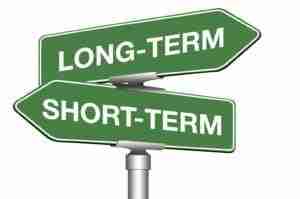


Making Informed Loan Decisions for a Secure Financial Future
Understanding the key differences between personal and payday loans is essential for making sound financial choices. While personal loans offer lower interest rates and flexible repayment terms, payday loans come with higher costs and potential risks.
Evaluating interest rates, fees, and alternative options can help you avoid financial pitfalls. By addressing common personal and payday loan questions, this article has provided insights to guide responsible borrowing. Before committing to any loan, carefully assess your needs, compare options, and consider safer alternatives when possible to protect your financial well-being.
Borrowing money comes with choices, and two common options are personal loans and payday loans. While both provide quick access to cash, they differ in terms, repayment structure, and overall cost. Understanding the difference between personal and payday loans helps borrowers make informed financial decisions.
Personal loans typically offer lower interest rates, longer repayment periods, and higher borrowing limits. Payday, on the other hand, come with high fees and short repayment windows, often requiring full payment by the next paycheck. Knowing how these loans compare can prevent costly mistakes and ensure the right choice for different financial situations.
Loan Purpose and Usage
Personal loans serve multiple financial needs. Borrowers use them for home repairs, medical bills, or paying off high-interest debt. Some take personal loans to fund education or cover large expenses like weddings. These products provide flexibility, allowing individuals to manage different financial situations over time. Repayments happen in fixed amounts over months or years, making budgeting easier.
Payday loans meet urgent cash shortages. People rely on them for unexpected costs such as emergency car repairs or overdue bills. These short-term funds help until the next pay cheque arrives. Unlike personal loans, payday loans must be repaid quickly, usually within a few weeks. Because of the shorter repayment period, they often come with higher fees and interest rates.
The difference between personal and payday loans with bad credit is clear in how they address financial needs. Personal loans support planned expenses and long-term goals while payday loans handle urgent shortfalls before the next wage cycle. Understanding these distinctions helps borrowers choose the right option based on their situation and repayment ability.
Loan Amounts and Repayment Terms
Personal loans allow borrowers to access larger sums of money. Lenders may offer amounts ranging from a few thousand to tens of thousands. These loans come with structured repayment plans that extend over several months or even years. Monthly installments make repayment more manageable, spreading the cost over time. The interest rate remains consistent in many cases, ensuring predictable payments until the loan is fully repaid.
Payday loans provide much smaller amounts compared to personal loans. Borrowers typically receive a few hundred pounds, enough to cover short-term expenses before their next pay cheque arrives. Unlike personal loans, payday loans require full repayment within a short period, usually two to four weeks. The entire amount, along with fees and interest charges, must be paid in one lump sum on the due date. This structure leads to higher costs if borrowers cannot repay on time and need extensions or rollovers.
The difference between personal and payday loans becomes clear when looking at repayment flexibility. Personal loan terms allow for extended payment schedules with fixed monthly dues, reducing financial strain over time. Payday loan repayment demands immediate settlement within weeks, which can create difficulties if funds are tight when payment is due.
Lenders assess eligibility differently for each type of loan based on these terms. Personal loan providers review credit history and income stability before approving applications since longer terms involve greater risk for lenders. Payday lenders focus less on credit scores but require proof of steady income because repayment happens quickly after borrowing.
The Difference Between Personal and Payday Loans
Personal loans and payday loans serve different purposes. The difference between personal loans and payday loans is seen in how they operate. Personal loans usually come with lower interest rates. Lenders allow borrowers to repay them over an extended period. Payday loans, on the other hand, have short repayment terms. Borrowers must repay the full amount by their next payment of salary.
Interest rates also set these two loan types apart. Banks and credit unions offer personal loans with fixed or variable rates that remain manageable over time. Payday lenders charge high fees that increase borrowing costs quickly. These fees make payday loans more expensive than other borrowing options.
Repayment schedules differ as well. A personal loan allows monthly payments over months or even years, depending on the agreement with the lender. This structure makes payments predictable for borrowers who need time to settle their debt. Payday loans require a lump-sum payment within a few weeks, often leading to financial pressure if funds are limited when repayment is due.
Loan amounts vary between these options too. Personal loan providers assess income, credit history, and financial stability before approving an application for a larger sum of money—sometimes thousands of pounds—spread across multiple payments. Payday lenders typically approve smaller amounts based on expected earnings from an upcoming paycheck without considering long-term affordability factors.
The approval process also differs significantly between these two types of credit options. Personal loan applications involve detailed reviews of income and creditworthiness before approval is granted by banks or online lenders offering structured financing solutions at competitive interest rates based on risk assessment models used within traditional lending institutions today

Interest Rates and Fees
Personal loans usually have lower interest rates. Lenders check credit history before approval. Some may also require collateral, such as a car or savings account. Because of this, lenders see less risk and offer better terms. Borrowers with strong credit scores often get the lowest rates. These loans may also include fees like origination charges or late penalties, but they remain manageable compared to other options.
Payday loans come with much higher costs. They do not require a credit check, making them easier to obtain. However, this convenience comes at a price. Lenders charge high fees for borrowing small amounts of money for short periods. The annual percentage rate (APR) on these loans can reach triple digits, far exceeding traditional loan rates. If borrowers cannot repay on time, additional charges apply, increasing the total amount owed quickly.
The difference between personal and payday loans becomes clear when comparing repayment costs over time. A personal loan with an APR of 10% will accumulate interest at a slower pace than payday with an APR exceeding 300%. Payday lenders typically expect full repayment within weeks, while personal loans allow monthly payments over months or years. This means payday borrowers must find funds quickly or face rolling over the debt into another expensive cycle of fees and interest charges.
Understanding how these costs add up helps borrowers make informed decisions when choosing between financing options that fit their financial needs and repayment abilities.
Making the Right Choice for Your Needs
Understanding the difference between personal and payday loans is essential for making informed financial decisions. Personal loans offer larger amounts, longer repayment terms, and lower interest rates, making them ideal for significant expenses.
In contrast, payday loans provide quick cash but come with high fees and short repayment periods, often leading to financial strain. By carefully considering your borrowing needs, repayment ability, and loan terms, you can choose the option that best suits your situation.
Always assess the costs and risks involved to ensure that your loan choice supports your financial well-being rather than creating additional challenges.