Logbook Loans 4 Cars, Vans & Motorhomes
What Are Logbook Loans?
Logbook loans are a form of secured borrowing where a borrower uses their vehicle as collateral to secure a loan. This type of financing allows individuals to access funds while retaining the use of their car. Typically, the loan amount is influenced by the vehicle’s value and condition, which is assessed at the time of application. The fundamental principle underlying logbook loans is that the lender retains the right to repossess the vehicle should the borrower default on repayments.
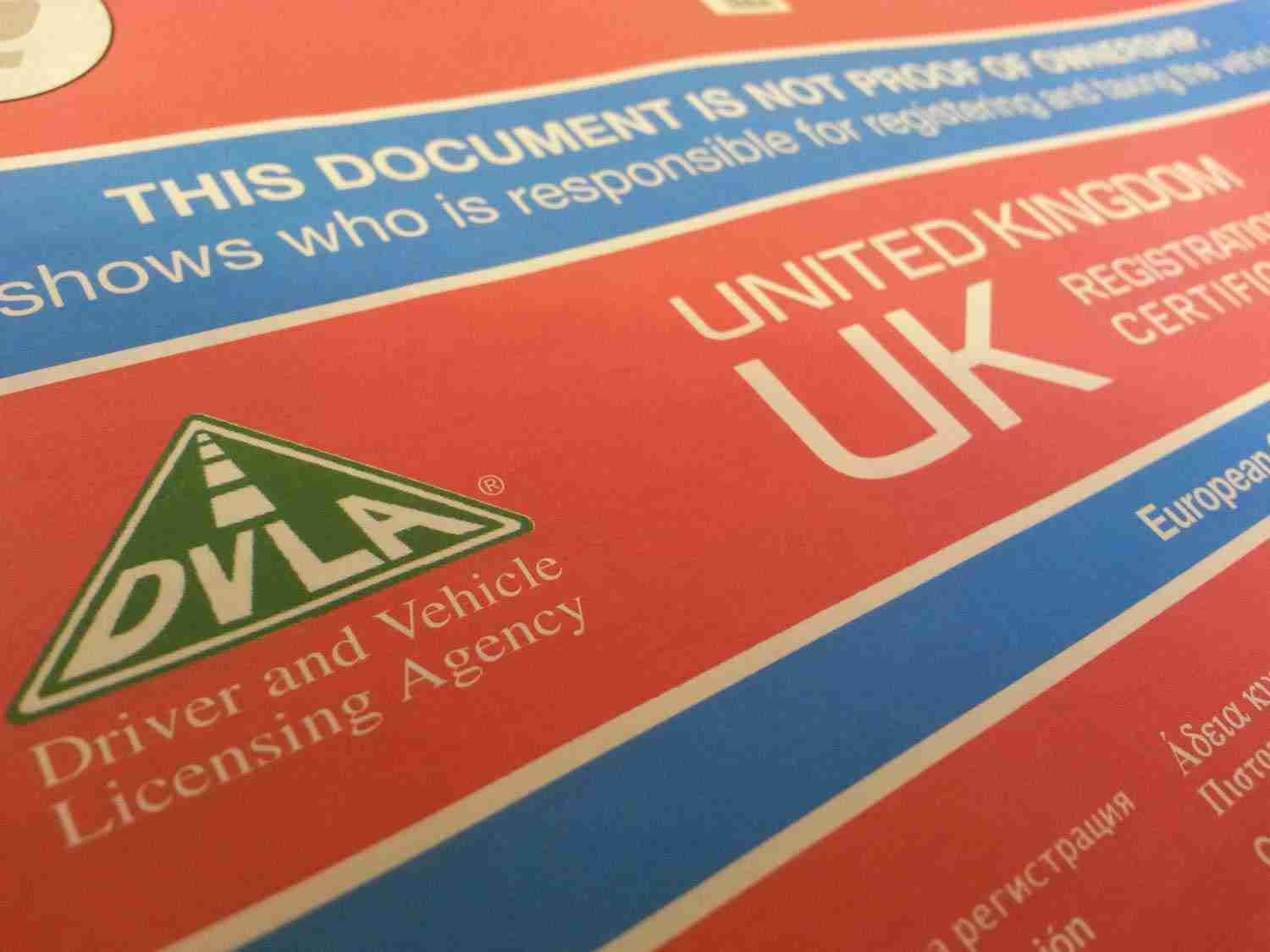
The term “logbook” derives from the vehicle’s logbook, a document that details the ownership and history of a car, including its registration, make, model, and often, its mileage. This document serves as proof of ownership and is crucial in the logbook loan process, as it is presented at the time the loan is secured. The borrower is required to hand over the logbook to the lender, who may then place a charge against the car to formalize the interest in the collateral.
Logbook loans are particularly accessible for individuals who may struggle to obtain traditional financial support, such as bank loans. They are often available to individuals with poor credit ratings, as the loan is secured against the vehicle, reducing the lender’s risk. However, despite the seemingly straightforward nature of these loans, it is important for borrowers to fully understand the terms and conditions. Interest rates can be significantly higher than conventional loans, making careful consideration essential before proceeding with a logbook loan.
Types of Logbook Loans
Logbook loans represent a flexible borrowing option backed by the value of a vehicle. These loans can be categorized primarily into secured and unsecured types. Secured logbook loans involve a borrower using their vehicle as collateral, which means the lender holds the logbook until the loan is repaid. This approach typically results in lower interest rates because the lender has a tangible asset to recover in case of default. On the other hand, unsecured logbook loans do not require any collateral, leading to higher interest rates to compensate for the increased risk taken on by the lender.
Particularly within the realm of secured logbook loans, several specific options cater to different needs. Car loans are a prominent example, enabling individuals to borrow against their personal vehicles for various purposes such as financing expenses or consolidating debts. These loans usually have straightforward terms, with fixed repayment plans that assist borrowers in managing their budgets effectively. Conversely, commercial vehicle loans are specifically designed for businesses requiring funding for vans, trucks, or other vehicles used for commercial purposes. This type of loan often comes with unique terms that reflect the increased value and potential income generation from commercial vehicles.
Related Posts:



The type of logbook loan chosen significantly impacts key factors such as interest rates, the amount available to borrow, and repayment terms. Secured options tend to offer larger amounts and more favorable rates, while unsecured loans may impose stricter limits on borrowing potential and higher costs. Thus, potential borrowers must carefully consider the type that aligns with their financial situation and vehicle value before making a decision. Doing so allows them to optimize their borrowing experience, ensuring it meets their personal or business financial goals while managing repayment responsibilities efficiently.
Eligibility Criteria for Logbook Loans
Logbook loans provide borrowers with a unique financial solution, but obtaining one involves meeting specific eligibility criteria. Primarily, lenders assess the age of the applicant. Typically, borrowers must be at least 18 years old, as this is the legal age for entering into loan agreements in many jurisdictions. This age requirement is a fundamental aspect of ensuring that borrowers can be held accountable for their financial commitments.
Another critical criterion for securing a logbook loan is vehicle ownership. Borrowers must own the vehicle outright, thereby providing the logbook as collateral. This ownership not only implies that the vehicle is registered in the borrower’s name but also ensures that the vehicle is free from any outstanding finance agreements. Lenders are highly interested in verifying that the logbook is fully intact and belongs to the applicant.
The condition of the vehicle plays a significant role in the loan approval process. Lenders typically require the vehicle to be in good working order, as this impacts its value and the risk associated with lending against it. A thorough inspection may be conducted to evaluate any significant damages or repairs needed, which could affect the corresponding loan amount approved.
In addition to the aforementioned aspects, necessary documentation is another critical factor. Borrowers are generally required to present several documents, including proof of identity, proof of address, and the vehicle’s logbook. These documents help establish the borrower’s identity and the legitimacy of the vehicle ownership.
Lastly, credit history considerations also come into play. While logbook loans are often accessible to those with poor credit ratings, some lenders may still review credit histories to gauge the borrower’s financial behavior and repayment capacity. Each lender has its own specific criteria, which can vary significantly. Understanding these eligibility requirements is crucial for individuals seeking logbook loans.
How to Apply for a Logbook Loan
Applying for a logbook loan involves several steps that borrowers need to follow to ensure a smooth and successful process. First, potential applicants should assess their eligibility by confirming that they own a vehicle outright, as this is a primary requirement for securing such loans. The vehicle must be registered in the borrower’s name and have a current logbook, as this document acts as collateral for the loan.
After confirming eligibility, the next step is to gather essential information and documentation. Applicants typically need to provide proof of identity, evidence of income, and details about the vehicle, including its make, model, and registration number. Some lenders may also request photographs of the vehicle to evaluate its condition. Maintaining an organized record of these documents can expedite the application process.
The choice of lender plays a significant role in the application process. It is advisable to research various lenders, comparing their interest rates, terms, and customer reviews. This due diligence will help borrowers identify a lender offering favorable loan conditions. Once a suitable lender is chosen, the applicant can proceed to fill out the loan application, ensuring that all the information provided is accurate and complete.
Another critical component of applying for a logbook loan is understanding the loan agreement. Applicants should thoroughly read the terms and conditions, paying close attention to fees, repayment schedules, and penalties for late payments. If anything is unclear, asking questions before signing the agreement is important to avoid misunderstandings later.
Finally, to ensure a smooth application, it is helpful to maintain clear communication with the lender and promptly respond to any requests for additional information. Keeping a timeline in mind and following up on the application status can lead to a more efficient loan process.
Advantages and Disadvantages of Logbook Loans
Logbook loans represent a unique form of secured lending where the borrower uses their vehicle as collateral, allowing them to access funds quickly. One of the most notable advantages of logbook loans is the swift access to cash. Borrowers can often receive approval within a short period, sometimes on the same day, which can be advantageous in emergencies when quick liquidity is required. Additionally, these loans typically have less stringent credit requirements compared to traditional loans. This means individuals with poor credit histories can still obtain financing, expanding access to funds for those who may not qualify for conventional loans.
However, there are potential downsides associated with logbook loans that borrowers must consider. One significant drawback is the interest rates associated with these loans, which can frequently be higher than those of standard bank loans. Borrowers could find themselves facing substantial financial pressure as they attempt to repay these loans, particularly if they have also taken out multiple loans at once. Furthermore, since the loan is secured against the vehicle, borrowers risk losing their car if they fail to meet repayment terms. This repossession can create a challenging situation for individuals who rely on their vehicles for daily commuting or other essential activities.
Moreover, it is essential for borrowers to be aware of the total cost of the loan. Hidden fees or unfavorable terms can further complicate the financial implications of logbook loans, making them less appealing for some individuals. Therefore, while logbook loans can provide a viable financial solution for immediate cash needs, careful consideration of both advantages and disadvantages is crucial to making a well-informed decision.
Interest Rates on Logbook Loans
The interest rates associated with logbook loans can vary significantly based on a variety of factors. One primary element influencing these rates is the lender’s policies. Each financial institution has its own approach to assessing risk and determining interest rates. This can lead to notable disparities among lenders, making it crucial for borrowers to shop around for the best offers available in the market.
Another critical factor influencing interest rates is the credit profile of the borrower. Individuals with higher credit scores generally receive more favorable rates than those with lower scores. Lenders often assess creditworthiness through past borrowing behavior, repayment history, and existing debts. A positive credit profile can indicate to lenders that the borrower is less likely to default, thereby leading to lower interest costs.
The type and condition of the vehicle also play a significant role in determining interest rates for logbook loans. Lenders may evaluate the make, model, age, and overall condition of the vehicle as part of their risk assessment. Newer or well-maintained cars may attract lower interest rates since they are often seen as less risky collateral. Conversely, older or higher mileage vehicles could result in higher rates due to the increased likelihood of depreciation and repair costs, but logbook loans for older cars are still available.
When comparing logbook loan rates to those of traditional loans, potential borrowers may find that logbook loans tend to come with higher interest rates. Traditional loans, such as personal loans or mortgages, often have lower rates due to the lower perceived risk and longer repayment terms. However, logbook loans can provide quicker access to funds without extensive credit checks, appealing to individuals who need immediate financial assistance. In this sense, while the cost of borrowing may be higher, the flexibility and speed of logbook loans can make them an attractive option for certain borrowers.
Repayment Terms and Options
Understanding the repayment terms associated with logbook loans is essential for borrowers seeking financial assistance through this method. Logbook loans typically offer flexible repayment periods, ranging from 12 months to 24 months, although some lenders may provide options extending beyond this timeframe. This variation allows borrowers to choose a duration that best fits their financial situation and capability to manage repayments.
Monthly payments are calculated based on the total loan amount, interest rates, and the length of the repayment period. Borrowers should expect these payments to be higher for shorter loan terms, while longer terms tend to lower the monthly payment amount. However, borrowers should also be aware that extending the loan period could lead to paying more in interest overall. Evaluating personal finances and crafting a budget that accommodates these payments is crucial to ensure timely loan repayments.
To enhance loan management, borrowers ought to closely examine the repayment schedule provided by the lender. This document outlines when payments are due, the amount due, and any applicable fees, offering a clear overview of one’s financial obligations. Recognizing this schedule aids in preparing for each payment due date and can prevent missed payments, which may lead to additional charges.
In addition to traditional repayment options, borrowers may explore alternative strategies for managing their logbook loan repayments effectively. For instance, some lenders may allow for lump-sum payments or early repayments without excessive penalties. Borrowers should inquire about such options and carefully review the loan agreement before proceeding. Ensuring clear communication with lenders and seeking clarification on any concerns can forge a path towards more manageable loan repayment experiences. By adopting a proactive approach, borrowers can navigate their logbook loans responsibly and without unnecessary financial strain.
Alternatives to Logbook Loans
When considering financing options, it is essential to explore various alternatives to logbook loans. Traditional bank loans represent one of the most common alternatives. Typically, these loans have structured repayment terms and may offer lower interest rates compared to logbook loans, especially for individuals with a stable financial background and a good credit history. However, accessibility can be a significant drawback, as banks often conduct rigorous credit checks and might require collateral, which makes them less ideal for borrowers with poor credit ratings.
Another viable option is personal loans. These loans can be obtained from both banks and alternative financial organizations. Personal loans are generally unsecured, meaning they do not require any asset as collateral. This feature makes them more accessible for those who do not own a vehicle or prefer not to offer one as security. Interest rates for personal loans can vary widely based on the borrower’s credit score, income, and lender assessment. While they might be a bit higher than secured loans, personal loans often provide the flexibility needed for emergency expenses.
Payday loans are another alternative to consider, especially for urgent financial needs. These short-term loans are typically small amounts borrowed against a future paycheck. While they provide quick cash, they come with extremely high-interest rates and stringent repayment terms, making them a costly option. Individuals should approach payday loans with caution, as they can lead to a cycle of debt if not managed properly.
In evaluating these alternatives, it is crucial for potential borrowers to assess their financial situation, creditworthiness, and the total cost of borrowing through interest rates and fees. Each option offers unique benefits and potential pitfalls, necessitating a careful selection to ensure it aligns with the individual’s financial needs and goals.

FAQs About Logbook Loans
Logbook loans are often surrounded by several misconceptions, which can lead potential borrowers to hesitate. One of the most common concerns is the impact of logbook loans on credit ratings. It is important to understand that while taking out such a loan may not necessarily harm your credit rating directly, failure to repay can result in penalties and a negative mark on your credit history. Thus, responsible borrowing and timely repayments are crucial to maintaining a healthy credit profile.
Another frequent inquiry pertains to the process involved in reclaiming a vehicle post-default. If a borrower defaults on their logbook loan, the lender is legally permitted to take possession of the vehicle. The repossession process typically follows a series of notifications and a grace period, allowing the borrower a final opportunity to make the repayments. It is advisable for borrowers to remain in communication with their lenders, as they may be open to alternative arrangements or repayment plans to avoid repossession.
Moreover, the potential for loan scams is a valid concern for many considering logbook loans. Borrowers must proceed cautiously and research lending institutions thoroughly. It is imperative to look for lenders who are registered and accredited to avoid fraudulent practices. Signs of reputable lenders include transparent fees, clear contractual terms, and a professional approach to customer service. By taking the time to evaluate options and understand the terms of the loan, borrowers can significantly mitigate the risks associated with logbook loans.
In summary, prospective borrowers should seek to educate themselves on logbook loans, paying particular attention to their implications on credit status, the possible outcomes of loan default, and ways to identify genuine lenders. This knowledge will empower them to make informed financial decisions and engage responsibly with the loaning process.