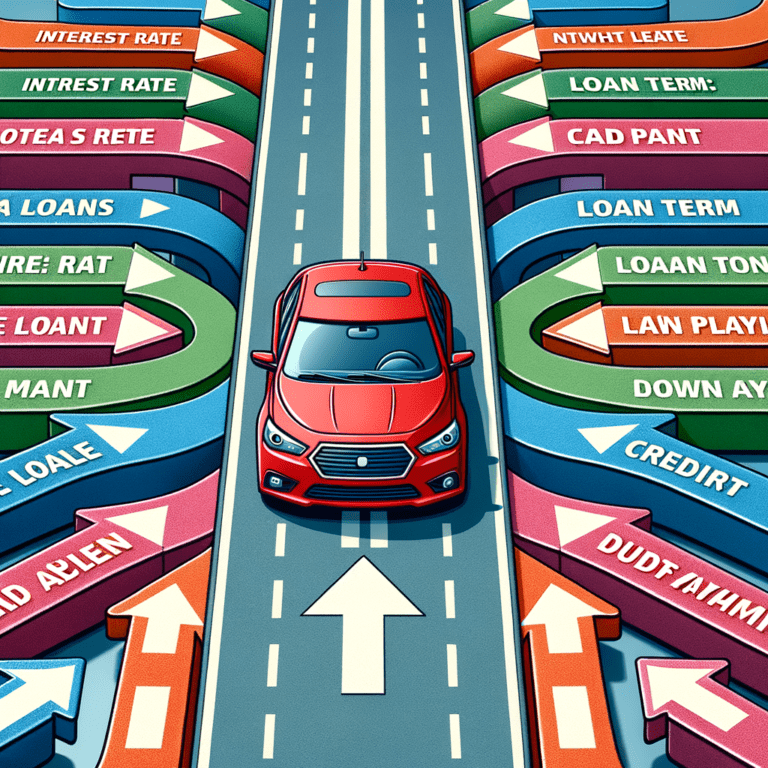
Low Rate Car Finance
Low rate car finance refers to auto loan arrangements characterized by relatively low interest rates compared to traditional financing options. This type of financing appeals to many consumers as it helps to reduce the overall cost of borrowing. When exploring car finance, it is essential to consider the interest rate offered, as it fundamentally affects the total amount paid over the life of the loan.
Understanding Low Rate Car Finance
Interest rates in low rate car finance are typically more favorable due to various factors, including the borrower’s credit score and the vehicle’s age. Generally, lenders provide lower rates for newer cars, as these vehicles present less risk due to their higher resale value. Additionally, those with strong credit histories may qualify for reduced rates as lenders often perceive them as less risky borrowers.
Loan terms also play a significant role in understanding low rate car finance. These terms can vary, often ranging from 12 to 72 months or longer. Longer loan terms may result in lower monthly payments; however, borrowers must be cautious about the total interest paid over time, which can be higher than with a shorter-term loan. Striking a balance between affordable monthly payments and a reasonable loan duration is crucial to achieving optimal financing outcomes.

When evaluating finance options, it is also crucial to compare these rates with other alternatives available in the market. Deals offered by manufacturers, credit unions, and traditional banks may vary substantially. Conducting thorough research allows potential buyers to determine the best loan agreement tailored to their financial situation. Understanding these dynamics equips consumers with the knowledge necessary for making informed decisions regarding low rate car finance.
Types of Low Rate Car Finance
When considering low rate car finance, it is essential to explore the various types available to better understand which option aligns with one’s financial goals and circumstances. The most common types of financing include traditional loans, secured loans, and leasing agreements.
Traditional loans, often referred to as unsecured personal loans, allow buyers to borrow a specific amount to purchase a vehicle. One of the major advantages of traditional loans is that the buyer gains full ownership of the vehicle immediately after purchase. This ownership enables the borrower to modify or sell the vehicle at any time. However, traditional loans may come with higher interest rates compared to other financing options, which can increase the overall cost of the vehicle.
Secured loans, on the other hand, are loans backed by the vehicle itself as collateral. This means that in the event of loan default, the lender has the right to repossess the car. Benefit-wise, secured loans generally offer lower interest rates compared to unsecured loans since the risk for the lender is reduced. Nonetheless, the drawback is that the borrower may lose the vehicle if they fail to make regular payments, leading to potential financial strain.
Leasing is another popular option, where individuals essentially rent the vehicle for a predetermined period. This arrangement typically results in lower weekly or monthly payments compared to purchasing a car outright. Leasing arrangements may also include warranty and maintenance packages, streamlining financial responsibilities. Nevertheless, at the end of the lease term, the individual does not own the vehicle and may face restrictions on mileage and customization.
Evaluating these different types of low rate car finance allows consumers to weigh the pros and cons of each option, ultimately guiding them to a choice that best fits their financial situation and personal preferences.
Benefits of Low Rate Car Finance
Low rate car finance represents an attractive option for many individuals seeking to finance a vehicle. One of the primary advantages of low rate car finance is the opportunity for lower monthly payments. With reduced interest rates, borrowers can share the cost of their purchase over a longer term, resulting in a more manageable monthly financial commitment. This flexibility can be particularly beneficial for those with strict budgeting needs, as it allows them to allocate funds to other important expenses while still meeting their vehicle needs.
Related Posts:




Another significant benefit of low rate car finance is the potential for reduced overall loan costs. When interest rates are low, the total amount paid over the life of the loan can decrease substantially. This reduction in total interest accrued means that borrowers can save considerable sums of money, thereby enhancing their financial well-being. For many consumers, investing in low rate car finance can translate into savings that can be reserved for other purchases or investments, leading to a more secure financial future.
Additionally, the allure of low interest rates can empower borrowers by enhancing their purchasing power. With a lower rate, individuals may be able to afford higher-value vehicles than initially anticipated. This capability opens up a wider range of options, allowing borrowers to select a vehicle that better matches their lifestyle and preferences. Whether seeking safety features, advanced technology, or fuel efficiency, low rate car finance can help achieve a more satisfying purchase experience by providing access to a greater variety of vehicles.
Overall, low rate car finance offers various benefits, including lower monthly payments, reduced overall loan costs, and improved cash flow, all of which significantly contribute to a more favorable financing experience for prospective vehicle owners.
Qualifying for Low Rate Car Finance
Qualifying for low rate car finance requires a comprehensive understanding of several criteria that lenders typically assess. One of the primary factors influencing the approval process is the credit score. A higher credit score signifies a history of reliable financial behavior, which can lead to access to more favorable interest rates. Generally, a score of 700 or above is considered good, while scores below this threshold may limit options for low rate financing. Therefore, potential borrowers should regularly monitor their credit reports for inaccuracies and work towards improving their scores through timely bill payments and reducing outstanding debts.
Another critical aspect is income verification, where lenders evaluate the applicant’s ability to maintain car payments alongside existing financial obligations. Providing proof of stable income through pay stubs, tax returns, or bank statements can significantly bolster an application. Additionally, lenders often assess the debt-to-income (DTI) ratio, which compares monthly debt payments to gross monthly income. A lower DTI ratio indicates a stronger financial position, making applicants more attractive to lenders. Ideally, borrowers should aim for a DTI ratio of 36% or lower, allowing for better chances of qualifying for low-rate options.
Preparing the necessary documentation in advance is equally important in the application process. Along with income proofs, potential borrowers should gather identification documents and any previous loan statements. This preparation not only expedites the application process but also demonstrates organization and reliability to lenders. Furthermore, making conscious financial decisions prior to applying, such as reducing outstanding debts and cutting unnecessary expenses, can enhance one’s financial standing. By understanding these criteria and taking proactive steps to strengthen their financial profiles, candidates can significantly improve their chances of securing low-rate car finance opportunities.
Where to Find Low Rate Car Finance Deals
When seeking low rate car finance, potential borrowers have several avenues to explore. Each source carries its own advantages and disadvantages, making it essential for individuals to consider their specific needs and circumstances.
Firstly, traditional banks are often a reliable option. They typically have established lending criteria and may offer competitive rates, especially for those with good credit histories. However, securing approval can be time-consuming and might involve substantial paperwork. It is important to compare rates from various banks to ensure that the best deal is being obtained.
Credit unions present another viable alternative. Generally, they provide lower interest rates than banks since they are member-owned organizations. Borrowers often benefit from personalized service and flexible terms. However, membership requirements may limit access to some individuals, necessitating a review of eligibility before pursuing this option.
Next on the list are car dealerships, which frequently offer financing options directly through their partnerships with lenders. This can result in convenience for the buyer, allowing them to complete the purchase within one location. However, it is crucial to be cautious, as dealership financing may come with higher interest rates compared to other sources. Additionally, negotiating the terms can prove challenging if one is unprepared.
Finally, online lenders are increasingly popular for securing low rate car finance. These lenders often provide streamlined application processes and may offer competitive rates. The ability to compare multiple offers with ease from different platforms enhances the chances of finding an attractive deal. Nonetheless, it is essential to verify the lender’s reputation and evaluate customer reviews before committing.
In conclusion, exploring various sources for low rate car finance can lead to significant savings. By comparing options from banks, credit unions, dealerships, and online lenders, individuals can negotiate better terms, ultimately allowing them to unlock favorable opportunities in their car financing journey.
The Importance of Comparison Shopping
In the pursuit of securing low rate car finance, comparison shopping plays a crucial role. The car financing landscape is diverse, with myriad lenders offering varying terms, rates, and conditions. This variability underscores the necessity of thoroughly evaluating different loan offers before making a commitment. By engaging in comprehensive comparison shopping, consumers can identify the most favorable financing options that align with their financial situations and goals.
To effectively compare car finance options, start by gathering rate quotes from multiple lenders, including banks, credit unions, and online financial institutions. Each lender may present distinct interest rates, which can significantly impact the overall cost of financing. Additionally, it is essential to consider the Annual Percentage Rate (APR) as it encapsulates the true cost of borrowing over the life of the loan, not just the nominal interest rate.
Utilizing online comparison tools can greatly simplify this process. Websites dedicated to auto loans often provide calculators that allow borrowers to input their financial details and compare real-time rates and terms across various lenders. This resource streamlines the decision-making process, enabling consumers to clearly see the potential cost differences between offers.
Furthermore, examining the terms of each loan is vital. Factors such as loan duration, repayment flexibility, and origination fees can differ significantly. A lower interest rate may not be advantageous if accompanied by unfavorable terms or excessive fees. Therefore, consumers should evaluate the overall package comprehensively.
In conclusion, diligent comparison shopping empowers consumers to find low rate car finance that meets their needs while potentially saving significant amounts of money over time. By leveraging tools, resources, and thorough evaluations, individuals can make informed decisions that lead to better financing experiences.
Potential Pitfalls and Mistakes to Avoid
When considering low rate car finance, potential pitfalls can often lead borrowers into less than desirable financial situations. One common aspect to be vigilant about is hidden fees, which can significantly increase the overall cost of financing a vehicle. Lenders may advertise enticing low interest rates, but the fine print might reveal additional charges such as processing fees, documentation fees, or early repayment penalties that can diminish the perceived value of the loan. Before committing to any financing agreement, it is crucial to examine the terms thoroughly to ensure no unexpected costs will arise.
Another critical factor to consider is the presence of variable interest rates. While low fixed rates may seem appealing, some financial products may include variable rates that can increase over time, thus leading to higher monthly payments. It is advisable to understand whether the loan’s interest rate is fixed or variable and how potential fluctuations could impact overall payments. Discussing these terms with the lender can provide clarity and help borrowers make informed decisions regarding their financial commitments.
Moreover, many borrowers overlook the importance of understanding the fine print in their financing agreements. This document often contains critical details regarding the loan’s terms, including the conditions surrounding default, the payment schedule, and potential penalties. Reading and comprehending every section of the agreement will help identify any red flags that could result in financial difficulties down the line. Seeking advice from financial experts or using comparison tools can aid individuals in fully grasping the implications of their contract.
In approaching low rate car finance, remaining vigilant regarding these potential pitfalls is essential. By recognizing the common mistakes associated with car financing options, borrowers can position themselves to secure favorable terms without falling victim to unforeseen expenses or complications.
Tips for Securing the Best Rates
Securing the best rates on low rate car finance is a multi-faceted process involving careful planning and informed decision-making. One of the most effective strategies is to improve your credit score. Lenders use credit scores to determine the risk associated with extending credit, and a higher score can significantly decrease the interest rate on loans. It is advisable to review your credit report for inaccuracies and pay any outstanding debts, as timely payments are crucial for providing a positive credit history.
Another approach to obtaining favorable loan terms is negotiating with lenders. Armed with knowledge about current market rates and your credit standing, you can be more persuasive in discussions regarding loan terms. Don’t hesitate to shop around and compare offers from different lenders. Some financial institutions may provide better rates or flexible terms that align with your financial situation.
Timing your purchase can also yield substantial financial benefits. Car finance rates often fluctuate based on market conditions or seasonal trends. By keeping an eye on interest rate trends and making your purchase when rates are low, you can capitalize on savings that add up over the life of the loan. Additionally, certain promotions and incentives from manufacturers or dealerships can provide opportunities to secure lower rates, especially during holiday sales or end-of-year clearances.
Lastly, consider taking advantage of pre-approval options. By getting pre-approved for a loan, you not only establish a clearer budget for your car purchase but also show sellers that you are a serious buyer. Pre-approval can streamline negotiations and provide leverage when discussing financing options with dealerships.
Through these strategies, consumers can enhance their chances of securing the most advantageous rates on low rate car finance, thereby ensuring a more manageable and economical approach to purchasing a vehicle.

Conclusion and Next Steps
In conclusion, low rate car finance presents an attractive option for potential vehicle buyers seeking to manage costs effectively. Throughout this guide, we have explored the various facets of low rate financing, including its advantages, the different types of financing available, and essential factors to consider. It is evident that affordability is a significant concern for most buyers, and low rate car finance offers solutions that can align with both budgetary constraints and individual financial circumstances.
As you plan your next vehicle purchase, it is crucial to assess your financial situation carefully. Begin by evaluating your current expenses, savings, and overall credit standing. A strong credit score can significantly enhance your chances of securing favorable financing terms, while understanding your budget will ensure you do not exceed your financial limits. By taking the time to compare various financing options, such as dealership loans, credit unions, or online lenders, you increase the likelihood of securing the best rates and terms that suit your needs.
Additionally, do not overlook essential elements such as loan tenure, total repayment amounts, and potential hidden fees that may affect your overall costs. Determine what makes the most financial sense for you, considering both the long and short-term implications of your decision. Exploring low rate car finance can lead to significant savings over the lifetime of the loan, particularly in a market where affordability is paramount.
To sum up, the road to finding your ideal vehicle is paved with informed financial choices. Take your next step by researching available low rate car finance options, ensuring that your next vehicle purchase is both manageable and enjoyable.