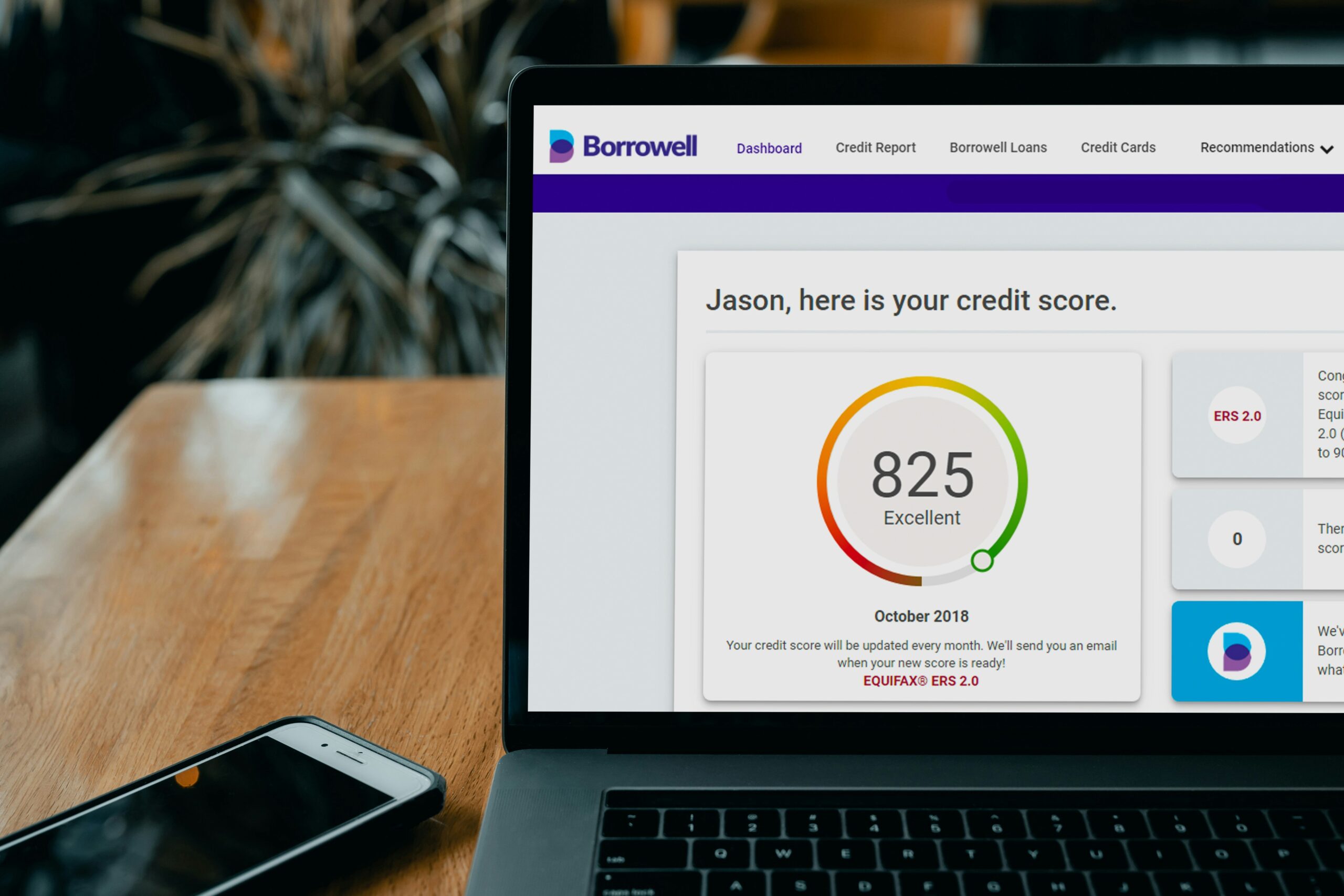
How to Improve Your Credit Score Before Applying for a Loan in the UK
Introduction
The credit score plays an integral role in the financial landscape of the United Kingdom, particularly for individuals seeking to obtain loans. A credit score is a numerical representation of an individual’s creditworthiness, determined by their financial history and behavior. In simple terms, it is the metric lenders use to assess the risk associated with giving credit to a potential borrower. In the competitive realm of personal finance, having a favorable credit score significantly enhances one’s chances of securing a loan with preferable terms.
As everyone may not have a perfect score, it is crucial to understand the factors that contribute to credit ratings. The importance of a good credit score cannot be overstated, as it can influence not only loan approvals but also the interest rates that lenders offer. Higher credit scores typically result in lower interest rates, which can substantially affect the total amount that one will repay over the life of a loan.
This blog post serves the purpose of guiding readers on how to enhance their credit scores before applying for a loan. By providing practical and actionable steps, we aim to equip individuals with the knowledge and strategies necessary to improve their credit standing. Whether you are looking for a mortgage, a car loan, or a personal loan, applying these techniques may help position you more favorably with lenders. Our goal is to demystify the process of credit improvement and empower you to take control of your financial future. With the right focus on credit score enhancement, you can increase your chances of achieving favorable financing options in the UK.

Understanding Your Credit Score
A credit score is a numerical representation of an individual’s creditworthiness, primarily used by lenders to assess the risk associated with extending credit. In the UK, credit scores are typically calculated based on factors gathered from an individual’s credit report, which includes information about credit accounts, payment history, outstanding debts, and the length of credit history. The score can range from 0 to 999, with higher scores indicating a lower perceived risk to lenders.
There are several scoring models employed by credit reference agencies in the UK, such as Experian, Equifax, and TransUnion. Each agency may use different criteria to calculate the score, leading to variations between the scores assigned by these agencies. Common factors influencing credit scores include the timely payment of bills, credit utilization ratio, public records such as bankruptcies, and the diversity of credit types held.
Check your score free with Clearscore.
When evaluating loan applications, lenders place significant importance on credit scores. A higher credit score can often result in more favorable loan terms, including lower interest rates and better repayment options. Conversely, a low credit score may lead to higher interest rates or even loan rejections, as it indicates a higher risk to the lender. Additionally, lenders may interpret credit scores in relation to their own lending policies, thus acknowledging that even minor variations in assessment can lead to divergent outcomes for applicants.
Understanding your credit score is essential before applying for a loan, as it can significantly influence your borrowing potential. By regularly monitoring your credit report and taking proactive steps to improve your credit score, you can enhance your chances of securing the financing you seek, with more favorable conditions.
Steps to Improve Your Credit Score
Improving your credit score is an essential step in preparing to apply for a loan in the UK. A strong credit score can lead to better interest rates and loan terms, making it beneficial to take actionable steps ahead of time. Here are several effective methods that individuals can implement to enhance their credit scores.
Firstly, one of the most crucial steps is to pay your bills on time. Late payments can significantly impact your score, and consistently meeting payment deadlines demonstrates reliability to lenders. Setting up direct debits or reminders can help ensure timely payments.
Related Posts:




Secondly, it is advisable to reduce credit card balances. High credit utilization ratios can be detrimental to your score. Aim to keep your balances below 30% of your credit limits, and if possible, consider paying off your credit card balances in full each month. This practice not only helps improve your credit score but also minimizes interest payments.
Avoiding new hard inquiries on your credit report is another vital step. Each time you apply for a new line of credit, lenders perform a hard inquiry, which can temporarily lower your credit score. Instead, focus on maintaining existing accounts, as longevity and stability contribute positively to your score.
It is also recommended to regularly check your credit reports for errors. Many people are unaware of inaccuracies in their reports, which can negatively impact their scores. Request your credit report from major agencies, review it carefully, and dispute any discrepancies you find.
Finally, consider utilizing credit-building products. Options such as secured credit cards or credit-builder loans can help establish a positive credit history. These products are designed for those with lower credit scores and can aid in rebuilding trust with future lenders.
Common Mistakes to Avoid
Improving your credit score is a crucial step before applying for a loan in the UK, yet many individuals inadvertently make mistakes that can hinder their efforts. One of the most significant pitfalls is missed payments. Payment history constitutes a large part of your credit score, and missing just one payment can have lasting negative effects. It is essential to set up reminders or automate payments to ensure that you stay current with your financial obligations.
Another common mistake is maxing out credit cards. Utilizing a high percentage of your available credit can signal to lenders that you are overextended financially and may struggle to pay back additional debt. Financial experts recommend keeping credit utilization below 30% to maintain a healthy credit score. This practice not only enhances your creditworthiness but also fosters responsible use of credit, which benefits your overall financial health.
Additionally, applying for multiple loans within a short span can adversely impact your credit score. Each time you submit a loan application, a hard inquiry is made on your credit report, which can lower your score slightly. Moreover, multiple applications may leave potential lenders with the impression that you are in a precarious financial situation, further complicating the loan approval process. To mitigate this risk, it is advisable to compare offers before formally applying for a loan. Conducting preliminary research will allow you to understand your options without negatively affecting your credit score.
Awareness of these common mistakes can empower individuals to take actionable steps that not only preserve their credit standing but also enhance their chances of securing loans on favorable terms.
How Improved Credit Expands Your Loan Options
Having a strong credit score is pivotal in the current financial landscape, particularly for individuals in the UK seeking loans. A higher credit score significantly enhances one’s chances of securing a loan, as it reflects a strong history of managing credit responsibly. Lenders utilize credit scores as indicators of risk; therefore, an improved credit score can lead not only to increased approval rates but also more favorable terms on loans.
One of the foremost benefits of an improved credit score is the potential for lower interest rates on loans. Lenders typically offer better rates to those with higher scores as they are deemed less risky. For prospective borrowers, this can translate into significant savings over the life of the loan. A difference of even a small percentage in interest rates can result in considerable financial benefits, making it essential to maintain a healthy credit profile.
Additionally, individuals with improved credit scores often find themselves with broader loan options. Many lending institutions provide a wider array of products to those with higher scores, including specialized loans designed for individuals with excellent credit. This access means borrowers can select from various options to find a loan that best suits their financial situation and repayment capabilities. Furthermore, better credit scores can also open the door to more competitive loan products, such as balance transfer offers or rewards-based credit cards, ultimately expanding financial flexibility.
In conclusion, improving your credit score can significantly benefit your loan application process in the UK. A better score leads not only to lower interest rates and increased approval chances but also to a wider range of loan products. Therefore, maintaining and enhancing your credit profile should be a priority for anyone contemplating borrowing in the future.
Lower Interest Rates
The impact of credit scores on interest rates is profound and undeniable. When applying for a loan in the UK, borrowers with higher credit scores are often presented with significantly more favorable interest rates compared to those with lower scores. This distinction can lead to substantial financial implications over the life of the loan.
For instance, consider two individuals seeking a mortgage. The first, with a credit score of 750, may be offered an interest rate of 3.5%. Meanwhile, the second individual with a score of 600 could face an interest rate of 5.5%. Over a 25-year mortgage of £200,000, these seemingly small differences in rates can result in thousands of pounds being paid in interest. Specifically, the first borrower would pay approximately £127,066 in interest, while the second would pay around £194,597, highlighting a staggering saving of £67,531 by maintaining a higher credit score.
This principle applies not only to mortgages but also to personal loans and credit cards. Lower credit scores can lead to higher rates, meaning that borrowers may end up paying much more for the same loan amount. Furthermore, some lenders may also impose additional fees or require more stringent repayment terms for borrowers with low credit scores, which can further affect the affordability of the loan.
To reduce interest rates effectively, it is vital for individuals to focus on improving their credit scores before loan applications. This improvement can be achieved through various methods, including timely bill payments, reducing outstanding debt, and limiting new credit applications. Each of these steps contributes to a more favorable credit profile, enabling access to lower interest rates and making loans more cost-effective.
Higher Approval Chances
When it comes to securing a loan in the UK, one’s credit score plays a pivotal role in determining the likelihood of approval. Lenders frequently assess a borrower’s credit history to gauge their financial reliability and risk level. A higher credit score typically indicates a responsible borrower, leading to increased chances of obtaining a loan with favorable terms.
Statistics reveal that borrowers with excellent credit scores (typically in the range of 700 to 850) often enjoy up to 60% higher approval rates compared to those with poor credit ratings. Lenders view a robust credit score as a clear signal of repayment ability, which categorizes such applicants as lower risk. This understanding is vital for those planning to borrow, as it highlights the importance of maintaining a healthy credit profile.
Moreover, a good credit score can not only facilitate loan approval but also lead to better interest rates. For instance, borrowers with a score exceeding 750 can save significantly in terms of interest payments on mortgages and personal loans, compared to those with scores below 600, who could encounter considerably higher rates or even rejection.
Furthermore, insights from financial institutions reveal that nearly 80% of lenders regard credit scores as the primary factor in their lending decisions. This reinforces the notion that good credit health is essential for anyone looking to enhance their prospects in the competitive loan environment.
In summary, the correlation between a healthy credit score and loan approval rates underscores the necessity for individuals to actively manage and improve their creditworthiness before applying for a loan. By focusing on credit health, borrowers can maximize their chances of securing the funding they require.
Understanding Loan Product Accessibility
Improving your credit score can significantly enhance your access to a wider range of loan products in the UK. Lenders utilize credit scores as a primary factor in determining eligibility for various types of loans, including personal loans, mortgages, and credit cards. Typically, those with higher credit scores are granted access to more favorable loan terms and a broader selection of options.
For instance, individuals classified within the lower credit score brackets may find their borrowing options severely limited. They often can only qualify for high-interest loans that carry stringent repayment terms. On the other hand, borrowers with good to excellent credit ratings may find themselves eligible for a myriad of loan products such as low-interest personal loans, premium credit cards with rewarding benefits, and mortgages with competitive rates.
Moreover, as credit scores improve, lenders may not only present a broader selection of loan types but may also offer enhanced features such as longer repayment periods and lower arrangement fees. This increased access to attractive loan products can positively influence an individual’s financial standing, enabling them to make significant investments or handle emergencies with greater ease.
Additionally, a solid credit score can directly impact the likelihood of securing loans with favorable conditions, including flexible payment options and lower overall borrowing costs. It is wise for potential borrowers to consider their credit score well in advance of applying for a loan, as it not only determines immediate eligibility but can also influence the options available for long-term financial decisions.
Internal Links to Related Content
Enhancing your understanding of credit scores and personal loans can be beneficial when preparing to apply for a loan in the UK. Here are some related articles that may provide valuable insights:
Loans for Low Credit Scores: If you find yourself in a situation where your credit score is less than stellar, exploring options for loans tailored for low credit scores could be essential. This article discusses various lending options that might be available that do not heavily penalize applicants for a poor credit history.
The Role of Personal Loan Brokers in the UK: Engaging with a personal loan broker can help streamline the loan application process, especially for those with credit issues. This section elaborates on how brokers operate, the advantages of seeking their expertise, and the different alternatives they might present based on your financial profile.
How Personal Loans Affect Credit Scores: Understanding the relationship between personal loans and credit scores is crucial, especially when applying for a loan. This article delves into how applying for a personal loan impacts your credit score, including the effects of hard inquiries and the importance of timely repayments.
By visiting these pages, you can equip yourself with the necessary knowledge to make informed financial decisions. Exploring these topics will not only enhance your comprehension of credit management but also empower you to navigate the loan application process with confidence.